

In the age of instant content delivery, television networks, streaming platforms, and online broadcasters face immense pressure to deliver material quickly and cost-effectively. While viewers enjoy instant access, behind the scenes, broadcasters are often forced to choose between speed and quality. This trade-off, often referred to as “cutting corners,” raises serious questions about the long-term effects on broadcasting quality.
The Rush for Convenience
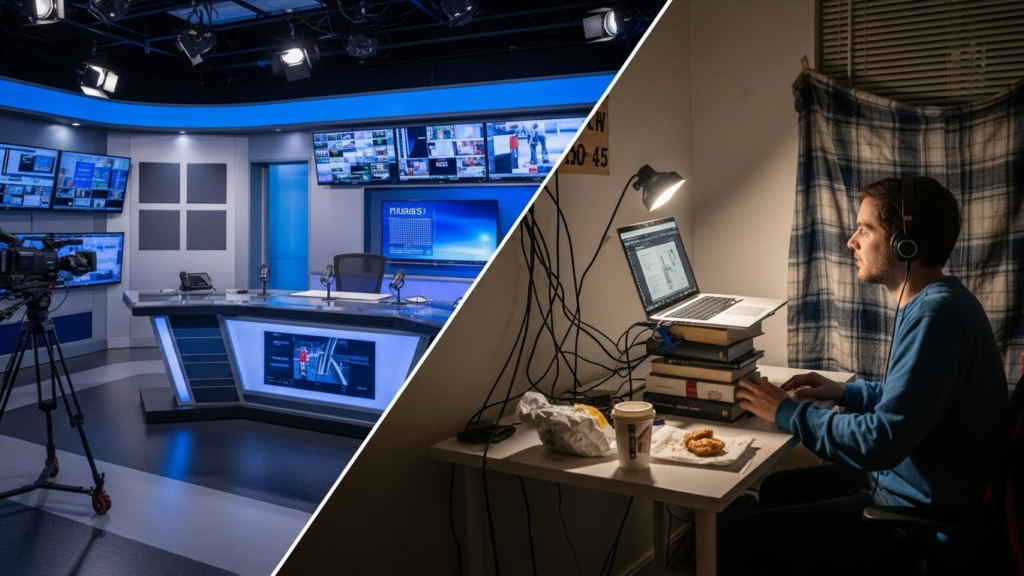
Broadcasters today operate in a highly competitive environment. Audiences demand content on multiple devices, from smartphones to smart TVs, and platforms compete fiercely for clicks, views, and subscriptions. To meet these demands, broadcasters often prioritize convenience over quality.
- Using lower-resolution video files to save bandwidth
- Skipping thorough quality checks to meet strict deadlines
- Employing generic audio mixing rather than professional mastering
All these shortcuts may seem minor but cumulatively reduce broadcasting quality.
Impact on Video and Audio Quality
When convenience becomes the priority, video and audio quality suffer. For instance:
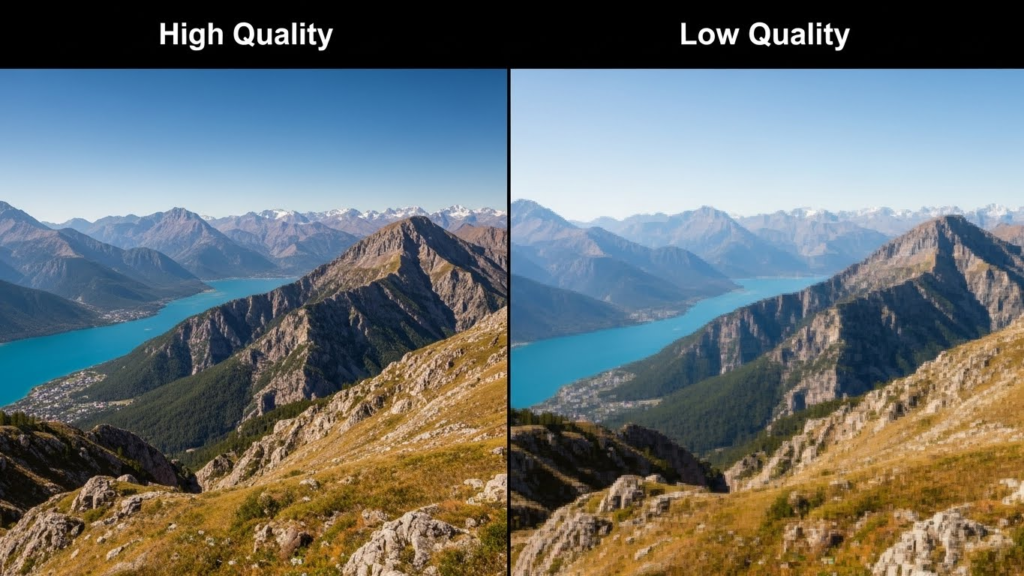
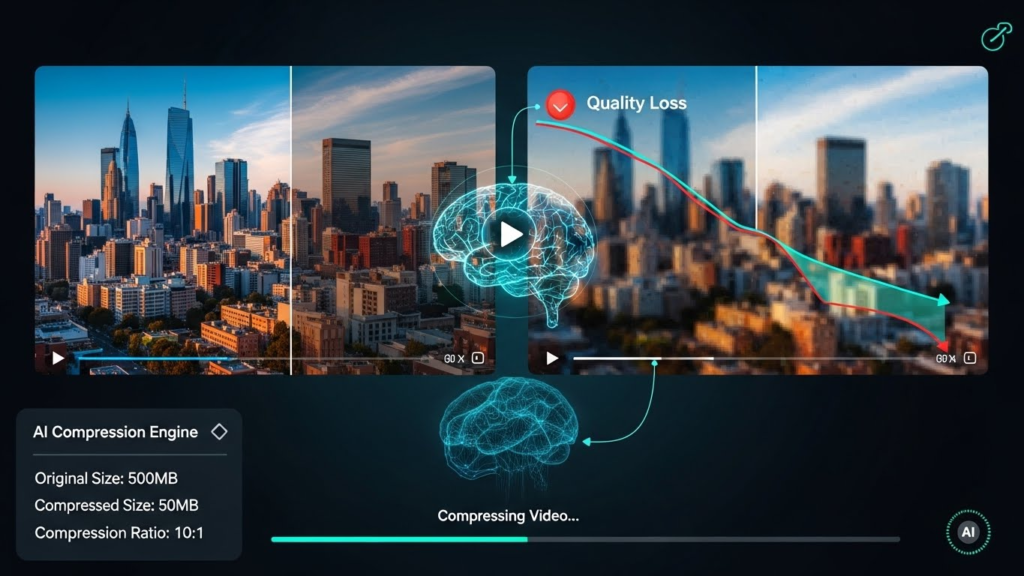
- Video Artifacts: Compression techniques may lead to pixelation, blurring, or motion artifacts.
- Audio Issues: Over-compressed audio can become tinny or distorted, affecting the viewer’s experience.
- Color Accuracy: Skipped calibration can result in washed-out or unnatural colors on TV screens.
Viewers may tolerate minor imperfections occasionally, but repeated exposure to low-quality broadcasts can damage trust and satisfaction.
Convenience vs Professionalism
Cutting corners often stems from a desire to save time and resources. For example, a TV network may reduce editing hours or use automated software for graphics instead of hiring skilled designers. While this approach is cost-effective, it compromises broadcasting quality and overall presentation.
Professionals argue that shortcuts might be convenient for now but can undermine brand credibility. Consistently poor quality can lead to:
- Viewer complaints
- Decline in subscriptions for streaming platforms
- Negative social media buzz affecting reputation
The Role of Technology in Quality Compromises
Modern technology allows broadcasters to deliver content faster than ever. Automated workflows, AI-based editing, and cloud-based streaming platforms make broadcasting more efficient. However, technology is a double-edged sword.
- Automated editing may not catch subtle mistakes in video or audio.
- Algorithms compress content aggressively, prioritizing streaming speed over fidelity.
- Cloud-based delivery may limit file size, forcing lower-resolution uploads.
The reliance on technology, when not carefully managed, inadvertently encourages cutting corners.
Viewer Expectations vs Reality
Audiences today are more tech-savvy and expect high-definition content. Platforms like Netflix, YouTube, and Disney+ have raised the bar for broadcasting quality, making shortcuts more noticeable. When viewers detect poor video, laggy streams, or distorted audio, their perception of the brand deteriorates.
Interestingly, many viewers don’t realize that what they see is a result of deliberate choices made to prioritize convenience. They assume poor quality is a technological limitation rather than a strategic decision by the broadcaster.
Long-Term Implications of Cutting Corners
While cutting corners might offer short-term convenience, it can have lasting effects:
- Loss of Credibility: Brands known for poor broadcasting quality struggle to regain viewer trust.
- Technical Debt: Lower-quality files require rework later, wasting time and money.
- Devaluation of Content: Artistic or journalistic content loses its impact when technical standards are compromised.
Ultimately, sacrificing quality for speed or cost undermines the very purpose of broadcasting—to deliver reliable, enjoyable, and immersive content.
Best Practices for Maintaining Quality
Broadcasters can balance convenience with quality by adopting certain strategies:
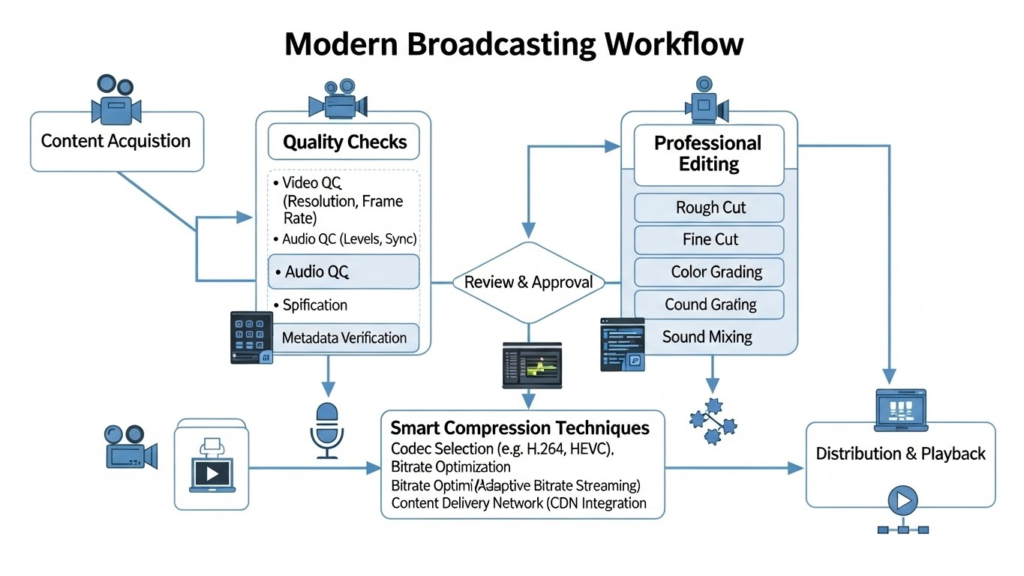
- Pre-Set Quality Standards: Define minimum video and audio specifications for all content.
- Regular Quality Checks: Use automated and manual review processes to catch errors.
- Invest in Training: Skilled editors, sound engineers, and colorists are invaluable.
- Smart Compression: Use modern codecs that maintain high quality while optimizing bandwidth.
- Viewer Feedback: Monitor complaints and adapt workflows to prevent recurring issues.
By incorporating these practices, broadcasters can maintain broadcasting quality without sacrificing convenience entirely.
Conclusion
In the fast-paced world of media, convenience often seems like the easiest path. However, consistently cutting corners comes at a hidden cost. Reduced video fidelity, compromised audio quality, and technical shortcuts all contribute to a degraded viewing experience.
For broadcasters, the key is to recognize that long-term credibility and audience satisfaction outweigh short-term convenience. By strategically investing in quality checks, professional workflows, and technology that enhances rather than shortcuts broadcasting quality, media providers can ensure their content stands out in a crowded landscape.
Ultimately, viewers may forgive a minor delay, but they will never forgive compromised quality. The lesson is clear: in broadcasting, quality should never be the price of convenience.