
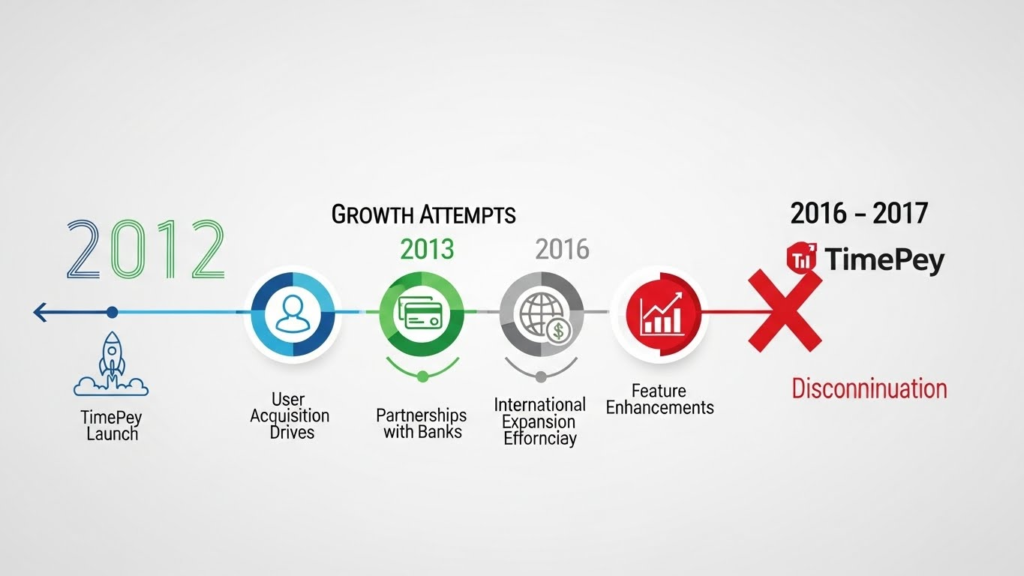
In late 2012, Zong, one of Pakistan’s leading telecom operators, launched its first mobile financial service called TimePey. Partnering with Askari Bank, the service promised to revolutionize how Zong subscribers handled money — from transferring funds to paying bills and depositing cash without visiting a traditional bank branch.
However, despite having a strong telecom infrastructure and the backing of a reputable bank, TimePey did not achieve the success Zong hoped for. By 2016–2017, the service was quietly discontinued.
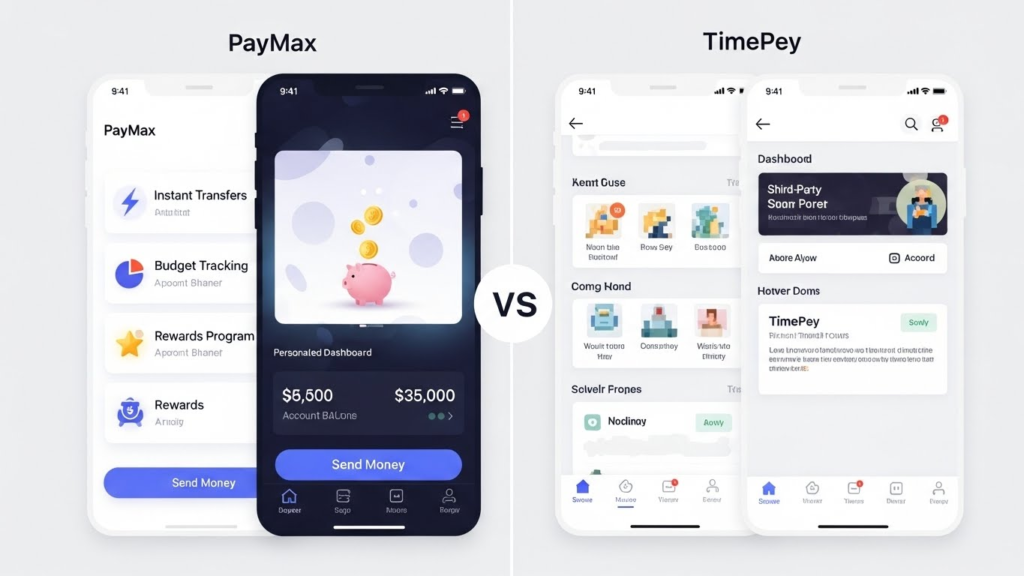
Today, Zong has re-entered the mobile finance arena with PayMax, a modern mobile financial service designed to overcome the limitations that TimePey faced. This article dives into the reasons behind TimePey’s failure, explores the broader market dynamics, and draws lessons from its short-lived journey.
History of TimePey
TimePey was Zong’s first foray into mobile banking, aiming to provide branchless financial services in Pakistan. It allowed users to:
- Transfer money to other TimePey accounts across the country
- Pay utility bills directly via mobile phone
- Deposit and withdraw cash from authorized agents
- Manage account transfers without visiting a bank branch
At the time, mobile financial services were growing rapidly in Pakistan, with Telenor’s Easypaisa (launched 2009) and Jazz’s JazzCash (launched around 2012) already establishing strong customer bases. TimePey aimed to compete in this space but faced an uphill battle due to its late entry and limited network reach.
Why TimePey Struggled
Analyzing the Zong TimePey failure, several interrelated factors contributed to its inability to gain traction.
1. Late Entry into a Competitive Market
By 2012, Easypaisa had already captured a significant market share. Its early entry allowed Telenor to:
- Establish a widespread agent network
- Build trust and brand recognition among users
- Integrate mobile payments seamlessly into daily life
TimePey, in comparison, entered a market that already had well-established competitors. With a smaller subscriber base, Zong could not convince users to switch or adopt a new service.
This was a primary reason for the Zong TimePey failure, as competing services already dominated the market.
2. Limited Subscriber Base
Zong’s market share in the early 2010s was around 10–15% of Pakistan’s mobile users. This small footprint meant that the potential user base for TimePey was inherently limited.
- Less than one-sixth of the market had access to the service by default
- Competitors like Jazz and Telenor had much larger subscriber bases to promote their mobile banking solutions
Analysis: A mobile financial service thrives on network effects; the more users, the more useful it becomes. TimePey lacked these network effects, further limiting adoption.
3. Dependence on Bank Partnership
Unlike Easypaisa and JazzCash, which quickly developed flexible digital solutions, TimePey relied on Askari Bank under older branchless banking regulations. This structure caused several limitations:
- Regulatory restrictions on scaling and offering innovative services
- Dependence on bank infrastructure for operations and compliance
- Slower rollout of new features compared to competitors
This reliance meant TimePey could not expand aggressively, keeping it behind rivals.
These regulatory constraints were another critical factor behind the Zong TimePey failure.
4. Operational Challenges and Low Marketing Reach
TimePey struggled to compete operationally:
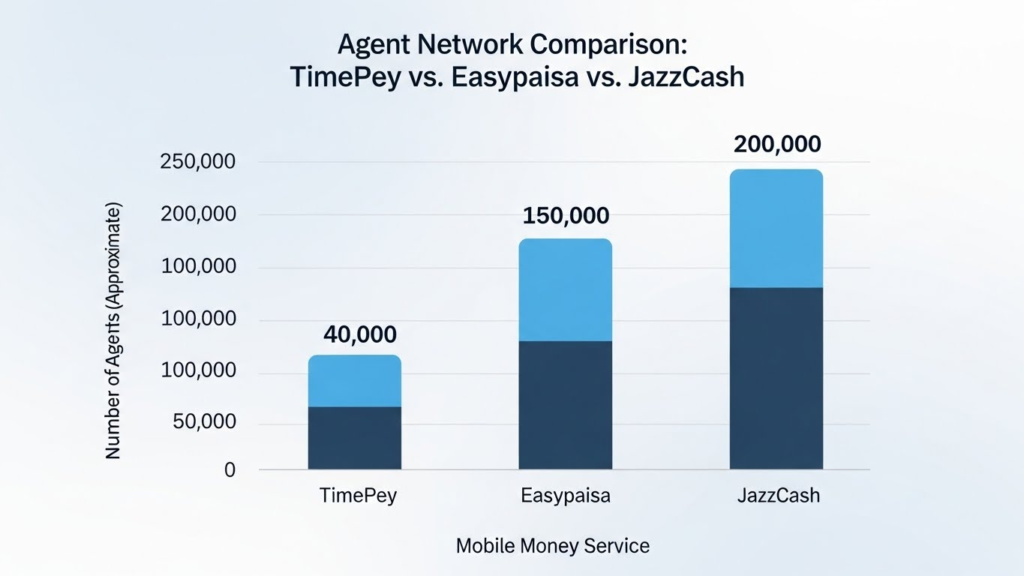
- Limited agent network compared to Easypaisa’s thousands of points of service
- Low visibility in urban and rural markets
- Minimal marketing campaigns to attract users and build trust
Even if the technology was functional, users did not feel it was widely available or convenient, impacting adoption.
5. Technical Glitches Were Minor
Some sources mention technical glitches in the early days. However:
- No public records suggest a major network fault caused TimePey to fail
- Complaints on social media were general issues with Zong’s network, not exclusive to TimePey
- Most reports point toward strategic and market limitations rather than technical failures
Conclusion: While minor technical issues may have existed, they were not the decisive factor in the Zong TimePey failure.
The Market Context
Understanding why TimePey failed also requires looking at the broader mobile banking landscape in Pakistan:
- Easypaisa: First mover advantage, robust agent network, trusted brand, strong promotional campaigns
- JazzCash: Rapid expansion post-2012, integration with Jazz telecom products, and digital wallet innovations
- Zong: Smaller market share, limited marketing, late entry, and a bank-dependent service model
The combination of strong competitors and low reach made it difficult for TimePey to attract and retain users.
From TimePey to PayMax
After discontinuing TimePey, Zong returned to mobile finance with PayMax in 2022–2023. Key improvements over TimePey:
- Independent Electronic Money Institution (EMI) status under State Bank regulations
- Wider feature set: P2P transfers, bill payments, mobile top-ups, online gateways, nano loans, insurance, merchant financing
- Targeted approach: Focus on Zong’s subscriber base, especially rural users
- Modern technology: App-driven services, better digital wallet experience, integration with online platforms
Lessons from Zong TimePey Failure
The story of TimePey teaches several lessons for telecoms and financial service providers:
- Timing matters: Entering late in a competitive market reduces chances of adoption.
- Market share is crucial: A small subscriber base limits service reach.
- Regulatory flexibility is essential: Independent EMI status allows faster innovation.
- Operational scale matters: Agent networks, marketing, and visibility are as important as technology.
- Continuous evolution: Mobile financial services need regular feature updates and modernization to stay relevant.
Conclusion
The Zong TimePey failure was a product of strategic, operational, and regulatory challenges, rather than a single technical fault. Although TimePey did not succeed, it laid the groundwork for Zong’s PayMax, which benefits from modern regulations, a better technological framework, and lessons learned from the past.
By analyzing TimePey’s rise and fall, telecoms and digital service providers can better understand the importance of timing, market reach, and adaptability in mobile financial services.