
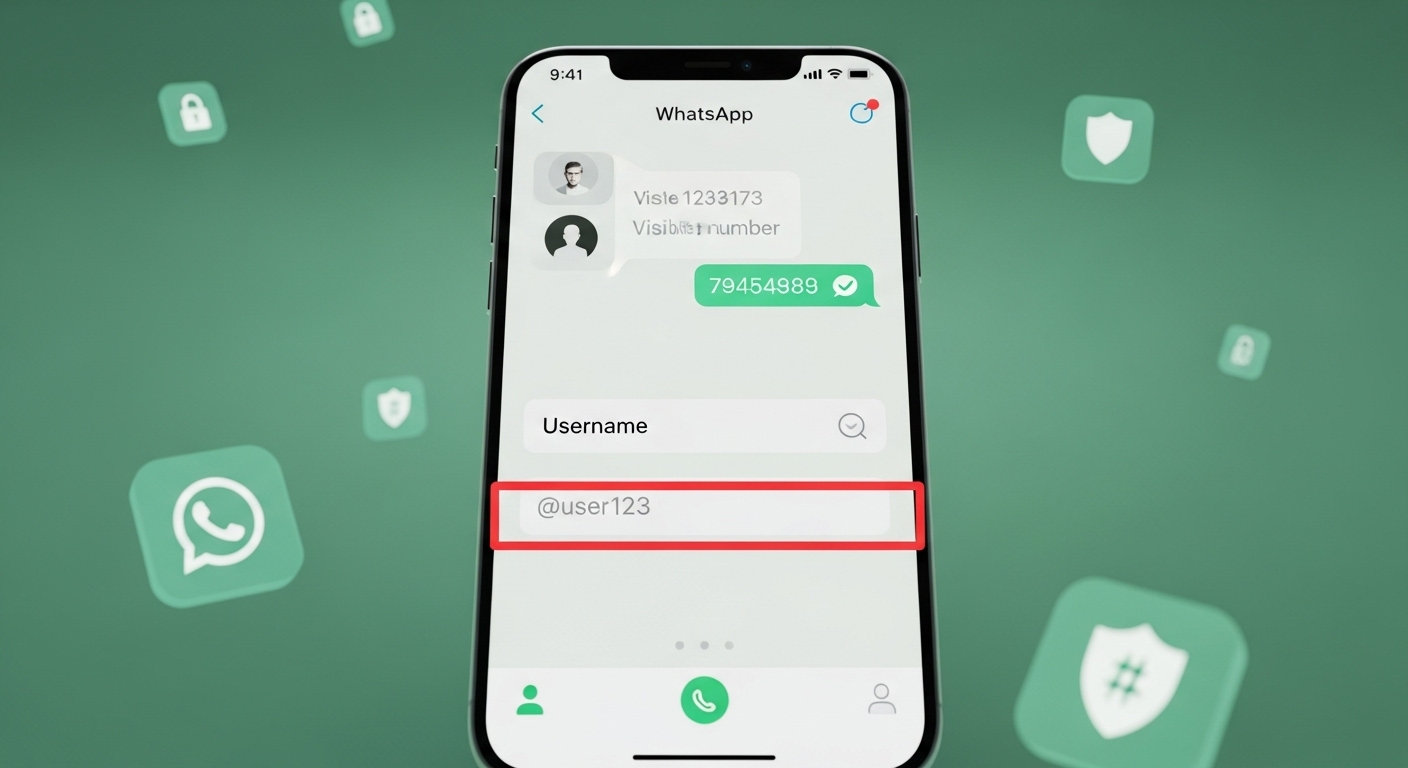
The WhatsApp usernames feature 2026 marks one of the biggest privacy updates in the history of the platform. For the first time, users will be able to connect with others without sharing their phone numbers, bringing WhatsApp closer to apps like Telegram and Instagram in terms of privacy and usability.
The feature is currently in limited beta testing on Android and iOS, with a global rollout expected by June 2026.
📑 Table of Contents
- WhatsApp Usernames Feature 2026 Overview
- How the Username System Works
- Username Rules and Requirements
- Privacy Benefits of WhatsApp Usernames
- Business Use Cases
- Current Beta Status
- How to Check if You Have Access
- Pros and Possible Risks
- Final Thoughts
WhatsApp Usernames Feature 2026 Overview
The WhatsApp usernames feature 2026 allows users to create a unique public handle that others can use to find and chat with them.
Even though a phone number is still required for registration, it will no longer need to be shared with other users.
This update is being gradually tested across beta versions of WhatsApp on Android and iOS.
👉 External Source:
WhatsApp Username Feature Report
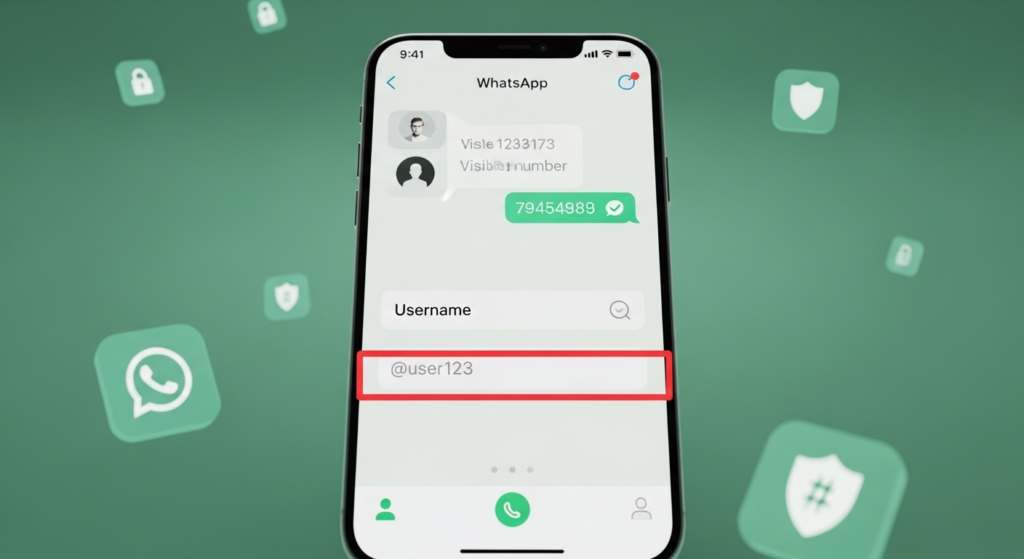
WhatsApp Usernames Feature 2026: How It Works
The WhatsApp usernames feature 2026 introduces a new optional identifier system.
Key Functionality:
- Phone number remains required for signup
- Username becomes optional public identity
- Users can search and chat via username
- Calls and messages work without revealing number
Example Flow:
- Go to Settings
- Open Profile
- Set your username
- Share it publicly instead of phone number
WhatsApp Usernames Feature 2026 Rules
To ensure safety and uniqueness, the WhatsApp usernames feature 2026 includes strict rules:
Username Requirements:
- 3 to 35 characters long
- Must start with a letter
- Allowed: lowercase letters, numbers, “.” and “_”
- Cannot start with “www”
- Cannot include domain endings like “.com”
- Must be unique across Meta platforms
These rules help maintain consistency across WhatsApp, Instagram, and Facebook.
Privacy Benefits of WhatsApp Usernames Feature 2026
The biggest advantage of the WhatsApp usernames feature 2026 is improved privacy.
Key Benefits:
- No need to share phone number
- Reduced spam and harassment risk
- Better control over personal identity
- Safer public sharing on social media
This update significantly reduces exposure of private contact information.
Business Impact of WhatsApp Usernames Feature 2026
The WhatsApp usernames feature 2026 is also designed for businesses.
Business Advantages:
- Branded usernames (e.g., @CompanyName)
- Easier customer discovery
- No need to expose support numbers
- Integration with WhatsApp Business API
Current Status of WhatsApp Usernames Feature 2026
As of April 2026:
- Available only in limited beta testing
- Not yet in public stable version
- Rolling out on Android and iOS beta apps
- Full release expected by June 2026
Sources for updates include tracking platforms like WABetaInfo and major tech news outlets.
How to Check WhatsApp Usernames Feature 2026
If you want to test the feature:
Step 1: Update WhatsApp
Install latest version from Play Store or App Store
Step 2: Join Beta Program
- Android: Google Play Beta Program
- iOS: TestFlight (if available)
Step 3: Check Settings
Go to:
Settings → Profile → Username
Pros and Risks of WhatsApp Usernames Feature 2026
Advantages:
- Strong privacy improvement
- Easier communication
- Modern social-style identity system
Potential Risks:
- Usernames are public and searchable
- Possible linking across Meta platforms
- Early username squatting issues
External DoFollow Resources
Conclusion
The WhatsApp usernames feature 2026 is a major step toward improving digital privacy and user control. By removing the need to share phone numbers, WhatsApp is aligning itself with modern messaging standards while addressing long-standing privacy concerns.
Although still in beta, this feature is expected to become a global standard by mid-2026, reshaping how users connect across the platform.