
Table of Contents
- Introduction to Islamic Slaughter Science
- The Biology of Pain Perception
- The EEG Evidence: Zabiha vs. Stunning
- The Role of the Spinal Cord and Heart
- Nutritional Necessity: The Amino Acid Factor
- Conclusion
1. Introduction to Islamic Slaughter Science
Islamic Slaughter Science provides a fascinating intersection between ancient religious tradition and modern physiological research. For centuries, the method of Zabiha has been practiced by Muslims globally, yet only recently has science begun to unravel the sophisticated biological mechanisms that make this process unique.
The core of this practice involves a swift incision to the neck, specifically targeting the jugular veins, carotid arteries, trachea, and esophagus. While critics often view the visible movements of the animal as a sign of distress, a deeper look into Islamic Slaughter Science reveals a different reality—one focused on rapid unconsciousness and the removal of harmful toxins from the meat.
2. The Biology of Pain Perception
To understand how this method works, we must first define pain from a neurological standpoint. Pain is a signal processed by the brain. If the connection between the sensory receptors and the brain is severed instantaneously, the sensation of pain cannot exist.
Interestingly, the debate regarding “silent suffering” extends even to the plant kingdom. Recent studies have shown that plants emit ultrasonic distress signals when cut. This reminds us that in the cycle of life, the consumption of any living thing—be it a vegetable or an animal—requires an ethical and biological framework to minimize suffering.
3. The EEG Evidence: Zabiha vs. Stunning
One of the most cited studies in the realm of Islamic Slaughter Science was conducted at Hannover University by Professor Wilhelm Schulze. His team used Electroencephalograms (EEG) and Electrocardiograms (ECG) to monitor animal reactions during different slaughter methods.
Comparing Methods:
- Zabiha: The EEG showed a flat line (zero pain) within three seconds of the incision. The animal enters a state of deep unconsciousness almost immediately due to the sudden drop in blood pressure to the brain.
- Captive Bolt/Stunning: Surprisingly, while the animal appeared physically still, the EEG recorded severe pain signals. This suggests that stunning may paralyze the animal while leaving the brain active enough to experience trauma.
4. The Role of the Spinal Cord and Heart
A critical rule in Islamic Slaughter Science is that the spinal cord must not be severed during the initial cut. This is not a random requirement; it is a vital step for food safety and hygiene.
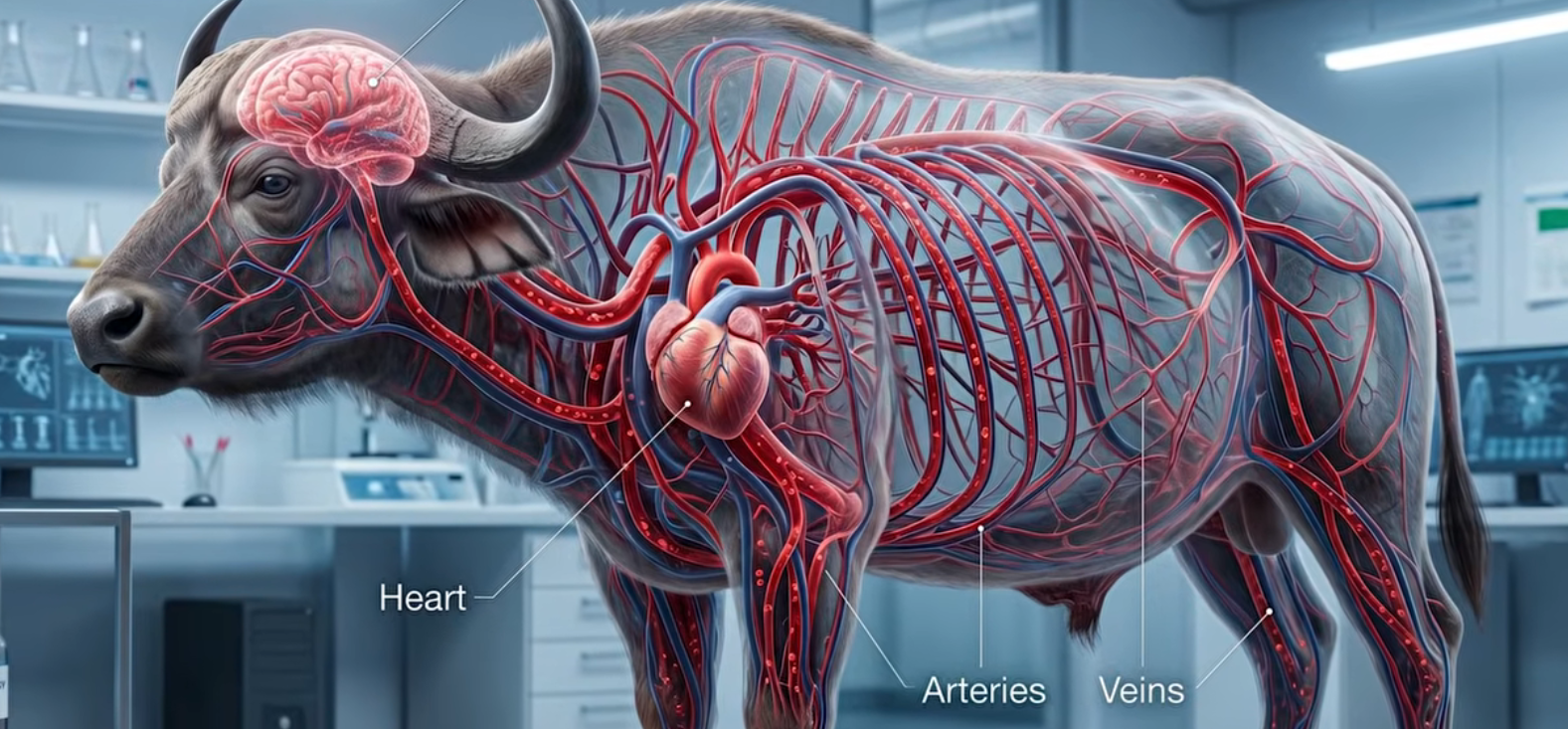
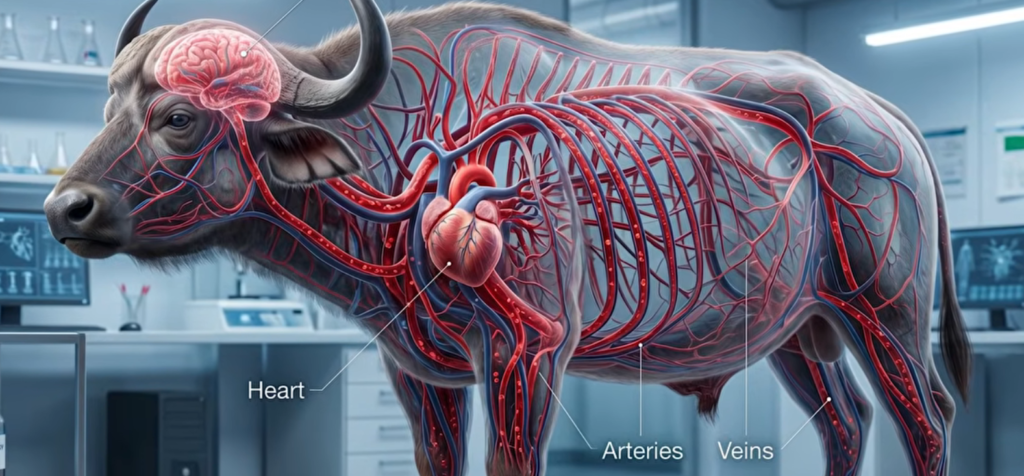
When the spinal cord remains intact, the nervous system continues to send signals to the heart. Even though the brain is unconscious, the heart continues to beat vigorously. This acts as a natural pump, forcing the majority of the blood out of the body through the severed jugular veins.
Why Blood Removal Matters:
- Toxin Elimination: Blood is a primary carrier for uric acid and harmful bacteria.
- Shelf Life: Meat with less blood remains fresh for longer and is less prone to putrefaction.
- Hygiene: Removing “liquid poison” ensures the meat is Tayyab (pure).
For more technical details on meat hygiene standards, you can refer to the Food and Agriculture Organization (FAO) guidelines on animal handling.
5. Nutritional Necessity: The Amino Acid Factor
Humans are biologically classified as omnivores. Our dental structure—featuring both sharp canines and flat molars—supports this classification. However, the strongest argument for the inclusion of meat in the human diet, as highlighted by Islamic Slaughter Science, is the presence of “Essential Amino Acids.”
There are nine amino acids that the human body cannot produce on its own. While plant-based diets can provide these, they often require complex combinations of different foods to reach a “complete” profile. In contrast, a single serving of meat contains all nine essential amino acids in a perfectly balanced, pre-packaged bundle that the human stomach is specifically designed to digest using high concentrations of hydrochloric acid.
6. Conclusion
The study of Islamic Slaughter Science reveals that what may appear as a simple ritual is actually a practice grounded in profound physiological principles. By prioritizing the rapid cut-off of pain and the biological cleansing of the carcass, it fulfills the dual purpose of animal compassion and human health.
Whether you are looking into this for religious reasons or scientific curiosity, the data suggests that the traditional methods of Zabiha align remarkably well with modern animal welfare standards and nutritional science.
For those interested in the broader context of these practices, you can explore our previous articles on Halal Food Ethics and Modern Nutritional Biology.