
BBC Scotland 2027: Controversial Guide to the Closure
BBC Scotland is set to undergo its most significant structural change since its inception, as the corporation officially announced the closure of its linear television channel scheduled for spring 2027. This decision marks a pivotal moment in the history of Scottish broadcasting, reflecting a broader global trend toward digital-first media consumption. As the media landscape evolves, the BBC is pivoting its resources to meet the demands of an increasingly online audience.
Key Takeaways:- The BBC Scotland linear TV channel will officially cease broadcasting in spring 2027.
- Most flagship programming will transition to BBC iPlayer or move to BBC One Scotland and BBC Two.
- The closure is part of a wider £500 million cost-cutting strategy aimed at digital transformation.
- Reporting Scotland: News at Seven will be discontinued entirely as part of the restructuring.
The announcement, which arrived on 20 October 2026, sent shockwaves through the local creative industry and viewing public alike. While the brand itself will survive, the physical channel that viewers have known since 2019 will disappear from electronic programme guides. This move is not an isolated incident but rather a component of a massive organizational overhaul.
The Strategic Logic Behind the BBC Scotland Closure
The primary driver for the cessation of the BBC Scotland linear service is a corporation-wide mandate to save £500 million by 2028. By reallocating funds from traditional broadcast infrastructure to digital platforms, the BBC aims to future-proof its content delivery. This strategy follows other major industry shifts, such as the Satellite TV Update 2026: 7 Proven Changes Resha | TechRetry.
BBC leadership has pointed to the rapid rise in digital engagement as a justification for the move. Data indicates that signed-in accounts accessing Scottish content on iPlayer have grown by approximately 70% over the last four years. With over one million accounts accessing Scottish programming weekly, the shift to digital seems inevitable from a data-driven perspective.
However, the transition is not without its casualties in the linear space. Similar to the 11 MTV Channels Stopped: Major Satellite Closures (2025 G…, the BBC is prioritizing platforms that offer on-demand flexibility. The linear versions of BBC Three and BBC Radio 4 Extra are also slated for similar digital-only transitions during this period.
The Timeline of the Transition
The phased withdrawal of the linear channel will conclude in the spring of 2027. Until that point, the channel will continue to broadcast its usual mix of news, documentaries, and entertainment. Viewers are encouraged to begin familiarizing themselves with the iPlayer interface to ensure a smooth transition.
This timeline allows the BBC to consult with stakeholders and manage the technical migration of its library. It also provides a window for the Scottish government and regulatory bodies like Ofcom to assess the impact on local representation. The goal is to ensure that Scottish voices remain prominent, even without a dedicated linear frequency.
Impact on Content and Programming
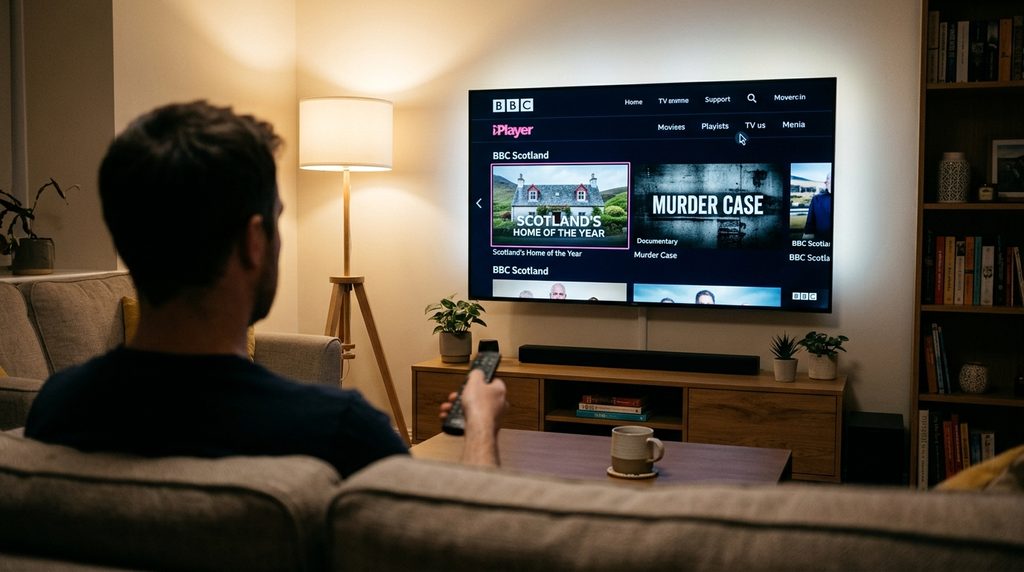
One of the most pressing concerns for viewers is the fate of their favorite shows currently hosted on BBC Scotland. The BBC has confirmed that the brand will remain a vibrant part of the iPlayer ecosystem. High-profile series such as *Scotland’s Home of the Year* and *Murder Case* will continue to be produced and showcased prominently.
For those who prefer traditional TV, some content will migrate to BBC One Scotland or BBC Two. For instance, the SPFL Championship Friday night football matches will find a new home on BBC Two in Scotland. This ensures that major sporting events remain accessible to those who may not have high-speed internet access.
However, the news landscape will see a significant reduction in output. *Reporting Scotland: News at Seven*, the channel’s flagship nightly news programme, will cease entirely. While other news services like the main *Reporting Scotland* on BBC One will continue, the loss of the 7 PM slot is a blow to dedicated Scottish journalism. This change is part of a larger trend detailed in the 100+ Satellite TV Channel Updates January 2026: | TechRetry report.
Job Cuts and Economic Consequences
The closure of the BBC Scotland linear channel will directly result in the loss of approximately 10 staff posts. While this number may seem small, it comes on the heels of 60 other roles previously cut earlier in 2026. These reductions are part of a broader plan to eliminate nearly 2,000 jobs across the entire BBC organization.
Unions have expressed deep concern over the erosion of the creative workforce in Glasgow and beyond. The National Union of Journalists (NUJ) has warned that these cuts could diminish the quality of local reporting. There are fears that a smaller team will struggle to provide the same depth of coverage that the linear channel once afforded.
Political and Public Reactions to the BBC Scotland Decision
The reaction from the Scottish Government has been one of staunch opposition. Culture Secretary Màiri McAllan described the closure as “wholly unacceptable,” citing the importance of a dedicated Scottish channel for national identity. The government has formally requested that Ofcom intervene and conduct a rigorous review of the decision.
In the Scottish Parliament, a motion was passed opposing the closure and calling for the devolution of broadcasting powers. Proponents of this move argue that Scotland should have direct control over its media landscape to prevent London-based executives from making unilateral cuts. This political friction highlights the unique role that BBC Scotland plays in the constitutional fabric of the UK.
Public sentiment is also divided, with younger audiences generally supportive of the digital shift while older viewers feel abandoned. Many traditional viewers rely on the linear channel for a sense of community and scheduled routine. The BBC must now work to bridge this digital divide to avoid alienating a significant portion of its loyal audience.
Comparison of BBC Scotland Linear TV and Online Service
To better understand the differences between the outgoing linear service and the future digital-first model, we have compiled the following comparison table. This highlights the shifts in accessibility and content variety that viewers can expect by 2027.
| Feature / Metric | Linear TV Service | Online Service (iPlayer) | Benefit |
|---|---|---|---|
| Content Availability | Scheduled programming | On-demand access | Viewers can watch content at their convenience |
| Programme Variety | Limited to scheduled shows | Wide range of shows and documentaries | More content options for viewers |
| Accessibility | Requires traditional TV setup | Internet-connected devices | Easier access for digital-savvy viewers |
| News Coverage | Dedicated news programmes | News available on-demand | Flexibility in news consumption |
As the table illustrates, the move to an online service offers significantly more flexibility for the modern viewer. However, it also places a higher requirement on the user to possess reliable internet infrastructure. The BBC’s challenge will be ensuring that the “Benefit” column translates into a reality for all Scottish citizens, regardless of their technical proficiency.
Practical Notes for Viewers
For those wondering how to prepare for the spring 2027 deadline, the process is relatively straightforward. Most modern smart TVs already come equipped with the BBC iPlayer application. If you are using an older television, you may need to purchase a streaming stick or set-top box to continue accessing BBC Scotland content.
The linear channel will simply disappear from your Freeview or Sky channel list on the day of the shutdown. You will not need to retune your TV to remove it, as the signal will simply cease. Official guidance from the BBC Scotland Media Centre will be provided closer to the date to help viewers navigate the change.
It is also worth noting that BBC One Scotland and BBC Two will remain on your linear channel list. These channels will absorb some of the most popular Scottish content, so you won’t lose everything if you choose not to go digital. However, the full breadth of Scottish-specific programming will only be found online.
Frequently Asked Questions (FAQs)
When is BBC Scotland linear TV channel closing?
The BBC Scotland linear TV channel is scheduled to close in spring 2027. An exact date will be announced closer to the time, but the transition is expected to be completed by the end of the second quarter of that year.
Where will BBC Scotland content be available after the closure?
Most BBC Scotland content will be available on BBC iPlayer. Additionally, several popular programmes and live sports will move to BBC One Scotland and BBC Two in Scotland to maintain linear accessibility for key events.
How many jobs will be cut due to the BBC Scotland closure?
Approximately 10 posts will be cut as a direct result of the channel closure. This is in addition to the 60 roles previously identified for redundancy earlier in 2026 as part of the BBC’s wider efficiency drive.
Why is BBC Scotland closing?
The closure is a strategic move to save money and adapt to changing viewer habits. The BBC is aiming for £500 million in annual savings by 2028 and is shifting its focus toward digital platforms where audience growth is strongest.
What is the reaction from the Scottish Government?
The Scottish Government strongly opposes the move, calling it “wholly unacceptable.” They have expressed concerns about the loss of Scottish journalism and have called for a formal review by the media regulator, Ofcom.