Why Nshare Server Still Matters in the Streaming Era
Even in an age dominated by Netflix, YouTube, and IPTV apps, satellite television remains extremely popular across South Asia, the Middle East, and Africa. Millions of households still rely on satellite dishes for news, sports, and regional entertainment.
This demand has given rise to alternative technologies like the Nshare Server—a system that allows users to access encrypted satellite TV channels without official subscriptions. While controversial and legally restricted in many regions, Nshare continues to attract attention due to its affordability and wide receiver support.
This article explains what Nshare Server is, how it works, which receivers support it, and why it became popular, all in simple and easy-to-understand language.
What Is Nshare Server?
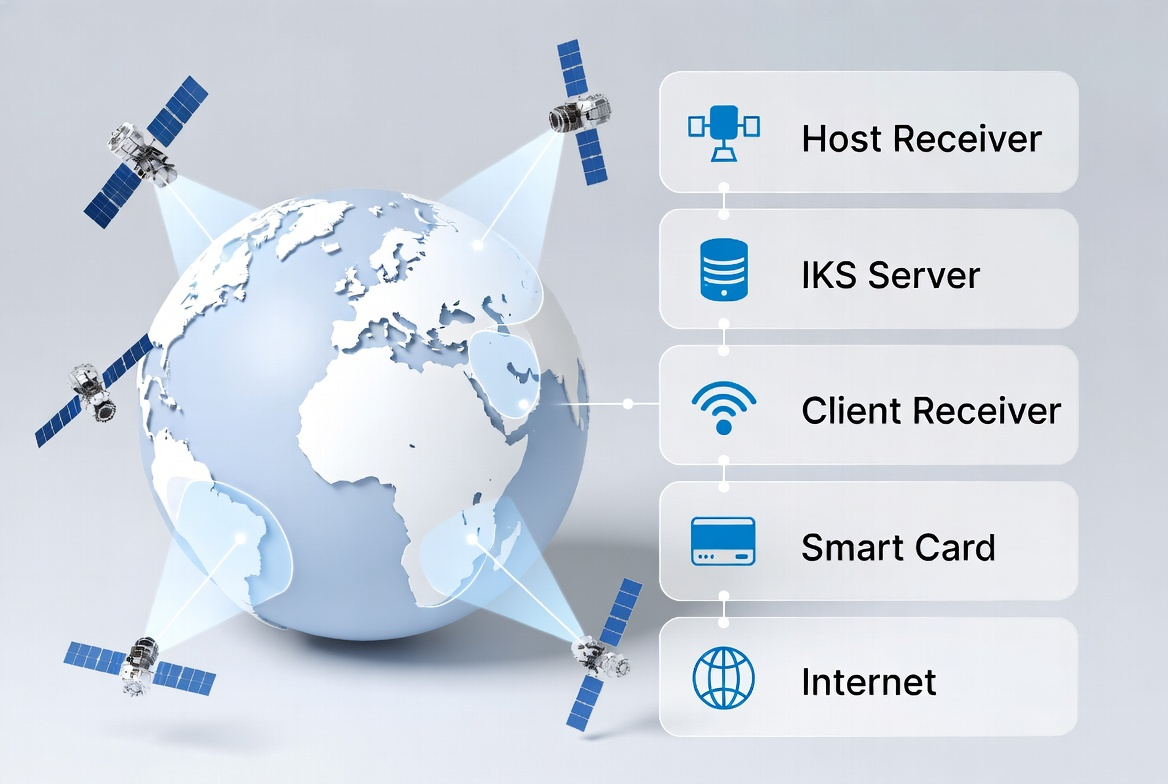
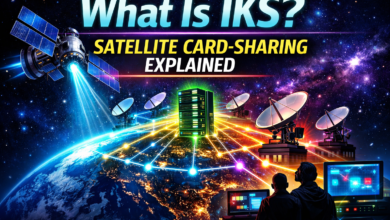
The Nshare Server (also written as Nshare or NShare) is an Internet Key Sharing (IKS) system used in satellite television. It allows satellite receivers to decrypt paid or encrypted TV channels by receiving real-time decryption keys over the internet.
Instead of using an official smart card from a broadcaster, the receiver connects to a remote Nshare server that shares control words (CW) required to open scrambled channels.
In simple terms:
➡️ Satellite signal comes from space
➡️ Internet delivers decryption keys
➡️ Receiver combines both to display the channel
Nshare is part of the wider card-sharing ecosystem, similar to CCCam, Newcamd, and Forever servers, which evolved from early smart-card cloning methods.
⚠️ Important note: Nshare Server is widely considered illegal in many countries because it enables unauthorized access to copyrighted broadcasts.
How Does Nshare Server Work?
When a satellite receiver tunes into an encrypted channel, it cannot decode the signal on its own. Here’s where Nshare Server steps in:
- The receiver detects encryption (ECM – Entitlement Control Message).
- It sends a request to the Nshare server via the internet.
- The server replies with the correct decryption key (control word).
- The receiver instantly unlocks the channel.
This entire process happens in milliseconds, making the viewing experience nearly identical to a legal subscription.
Think of it as remote card sharing, where one central server distributes keys to thousands of receivers simultaneously.

Where Is Nshare Server Commonly Used?
The Nshare Server ecosystem is most popular in regions where:
- Official subscriptions are expensive
- Satellite signals are strong
- Affordable receivers are widely available
Major regions include:
- South Asia: Pakistan, India, Bangladesh
- Middle East: UAE, Saudi Arabia
- Africa: Nigeria, Kenya, South Africa
These servers often support popular channel packages such as:
- Geo Network (Geo News, Geo Super)
- beIN Sports
- OSN
- DSTV
- Regional sports and entertainment bouquets
Servers are usually hosted privately and sold through resellers as annual or monthly PIN codes.
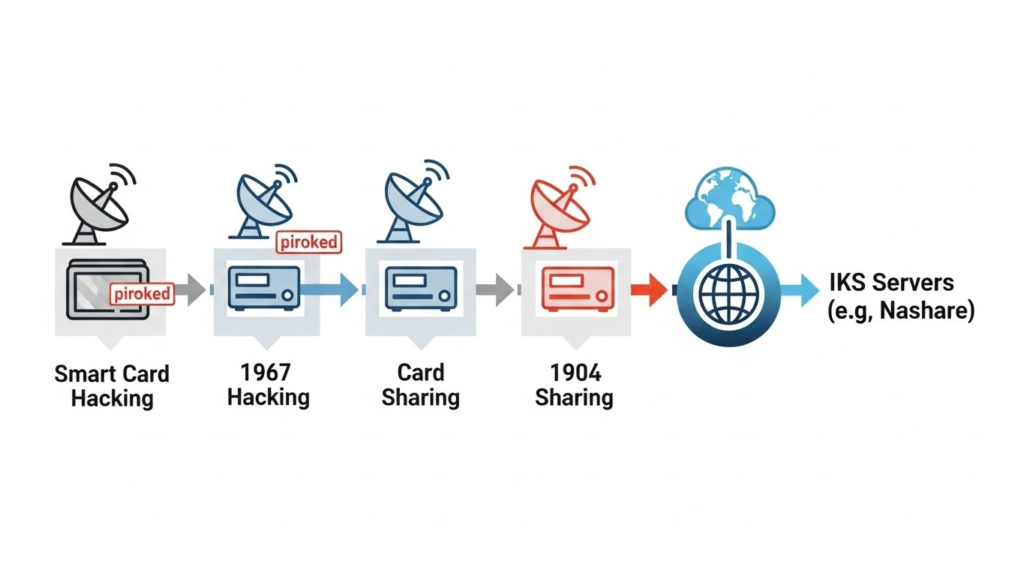
History: When Did Nshare Server Start?
The roots of Nshare Server trace back to early satellite TV piracy methods:
- Early 2000s: Smart card cloning
- 2005–2008: Local card sharing via LAN
- 2008–2015: Internet-based card sharing (CCCam, Newcamd)
- 2016–2022: Rise of IKS systems like Nshare
- 2023 onward: Gradual shift toward IPTV, though Nshare remains active
Improved internet speeds made real-time key sharing possible, allowing Nshare to grow rapidly in developing markets.
Which Satellite Receivers Support Nshare Server?
Nshare Server is receiver-dependent. It works best on low-cost, internet-enabled satellite boxes, especially those using Sunplus chipsets.
Commonly supported models:
- 1506 Series: 1506LV, 1506HV, 1506G, 1506T, 1506TV
- GX6605S-based receivers
- Popular brands:
- Neosat
- Royal
- Fortec
- Sonic
- Super X
- Senator
Most of these are Free-To-Air (FTA) receivers with 4MB or 8MB flash memory and built-in IKS menus.
✔️ Ethernet or Wi-Fi support is mandatory
✔️ Firmware must include Nshare or IKS options
How Nshare Server Activation Works (PIN Code Method)
Using Nshare Server typically requires a paid PIN code, usually valid for 6 months or 1 year.
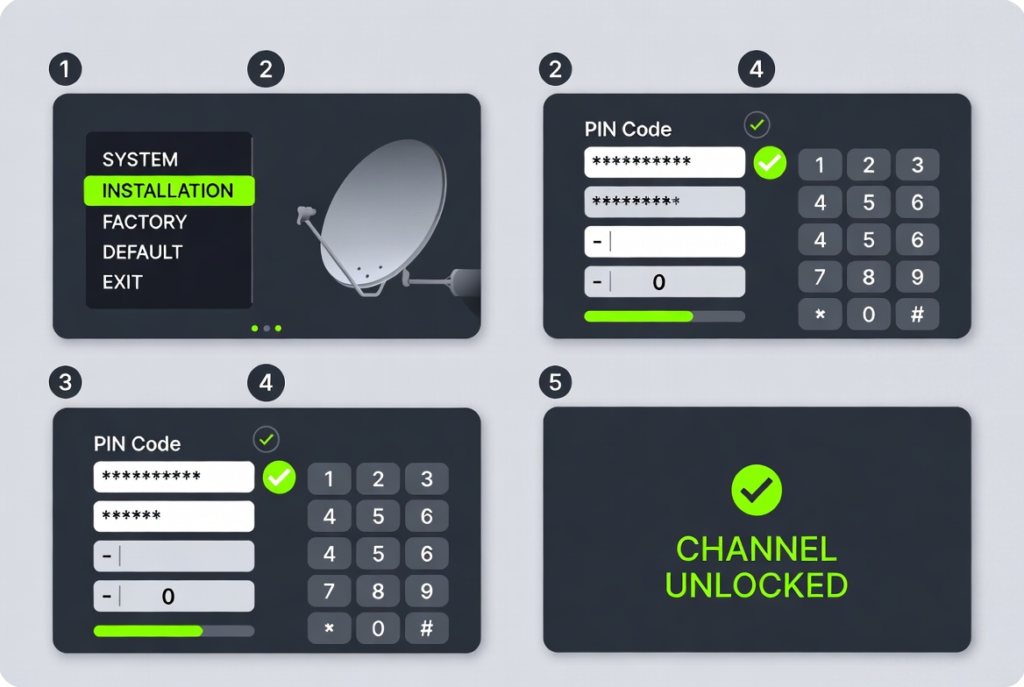
Step-by-step process:
- Purchase a Nshare PIN code from a reseller.
- Open receiver settings → Server / IKS menu.
- Enter the PIN code.
- Connect receiver to the internet.
- Tune to a supported encrypted channel.
- Channel unlocks if the server is active.
When the PIN expires, access stops until renewal.
⚠️ Service stability may vary due to:
- Server overload
- Encryption updates
- Broadcaster countermeasures
Final Thoughts: Technology, Ethics, and Awareness
The Nshare Server represents a fascinating intersection of technology, affordability, and controversy. It highlights how innovation can disrupt traditional broadcasting—but also raises serious legal and ethical questions.
While understanding how Nshare works is valuable from a technical and educational perspective, users should always be aware of local laws and copyright implications.
Satellite TV technology continues to evolve, and systems like Nshare remind us that the battle between broadcasters and pirates is an ongoing one.
Stay informed. Stay responsible.