
🌍 Introduction: The Allure of Free Signals from the Sky
Imagine watching premium sports, blockbuster movies, and international news channels without paying hefty monthly subscription fees. For decades, this idea has tempted tech-savvy users around the world. Long before illegal streaming apps and IPTV services flooded the internet, satellite card-sharing was the underground method of choice.
At the center of this ecosystem lies Internet Key Sharing (IKS)—a technology that transformed satellite TV piracy from localized hacks into global, server-based networks. What began as a technical workaround evolved into a worldwide cat-and-mouse game between broadcasters and pirates, combining cryptography, networking, and human ingenuity.
This article breaks down how IKS works, where it came from, why it spread, and why it now faces decline.

📡 The Basics: What Is Satellite Card-Sharing?
Satellite card-sharing is a method that allows multiple receivers to access encrypted pay-TV channels using a single legitimate smart card.
In a normal setup:
- The satellite provider encrypts the signal
- A smart card inside the receiver holds authorization data
- The card generates control words to decrypt channels
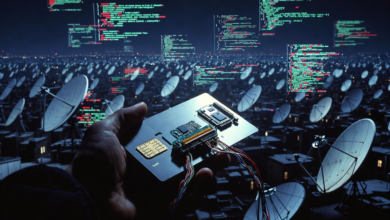
Card-sharing exploits this by extracting those control words and distributing them to other receivers. These receivers do not need their own subscription—only access to the shared keys.
An important technical detail:
- Only the keys are shared, not the video stream
- The video still comes directly from the satellite
This makes card-sharing efficient and difficult to detect at first glance.
Originally, card-sharing appeared in multi-room household setups, sometimes within contractual gray zones. Over time, it escalated into commercial underground services, with servers hosting dozens or hundreds of valid subscriptions.
🌐 IKS: Taking Card-Sharing to the Internet
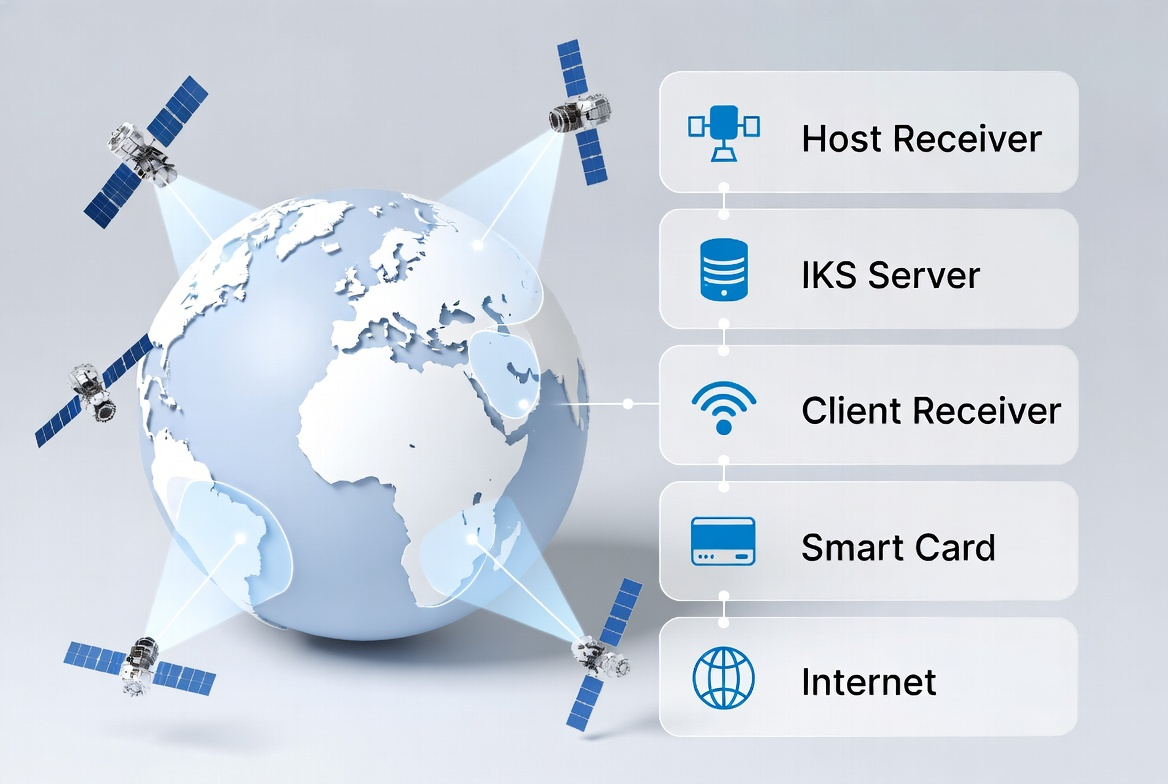
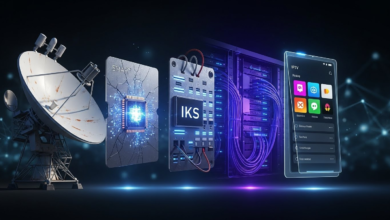
Internet Key Sharing (IKS) is the modern evolution of traditional card-sharing.
Instead of local networks:
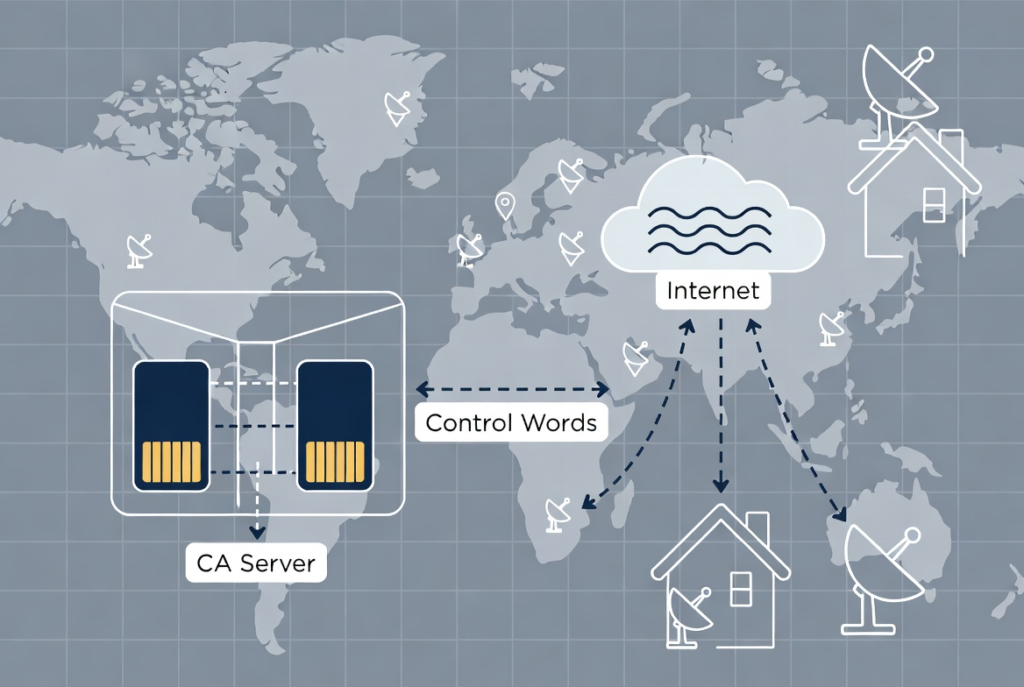
- A central server hosts real smart cards
- Control words are extracted in real time
- Keys are sent over the internet to thousands of users
Each client receiver:
- Connects to a satellite dish for the signal
- Connects to the internet for decryption keys
This architecture allows one card to serve thousands of receivers worldwide, dramatically reducing costs per user.
However, this also introduces weaknesses:
- Internet latency causes freezing
- Server overload leads to blackouts
- Encryption changes instantly break access
IKS systems often inspired today’s IPTV piracy models, acting as a bridge between satellite hacking and internet-based content theft.
🔐 How IKS Works: A Look Under the Hood
Satellite providers use encryption standards such as:
- DVB-CSA
- CSA2 / CSA3 (AES-based)
- Conditional Access Systems (Nagra, Viaccess, Videoguard)
Channels are protected using Entitlement Control Messages (ECMs), which carry encrypted control words. These control words change every few seconds.
In an IKS setup:
- The host receiver reads the ECM
- The smart card generates the control word
- Software captures this control word
- The key is sent over the internet
- Client receivers apply it instantly
The entire process must happen within seconds. Even minor delays result in picture freezing, making IKS a constant race against time.
🧭 A Brief History: From Garage Hacks to Global Networks
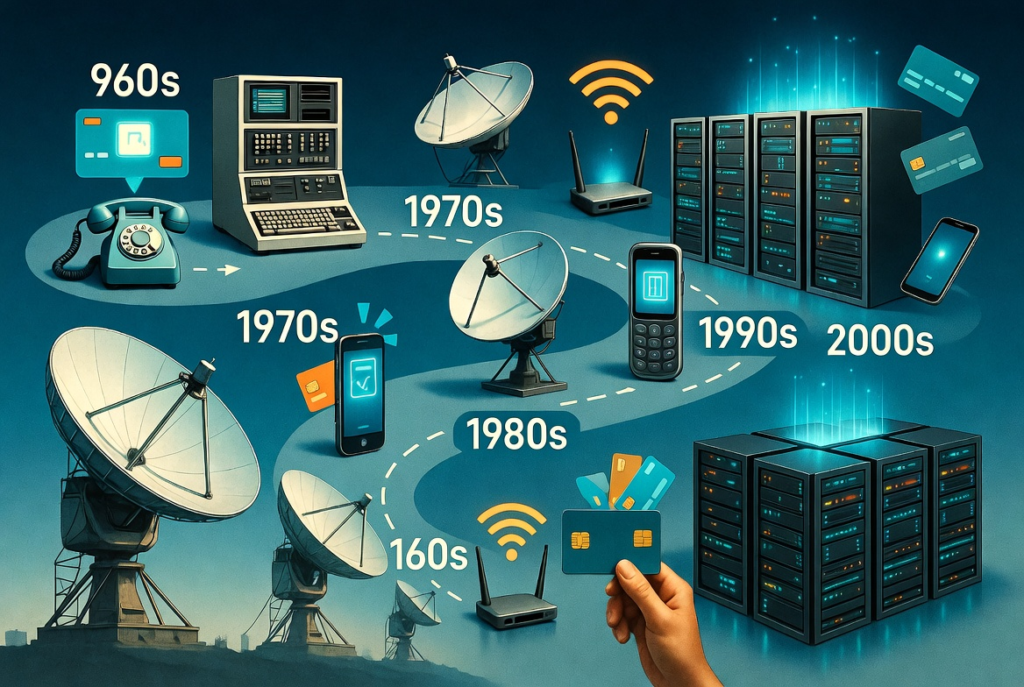
1970s–1980s: Analog Piracy
- Simple signal scrambling
- Easy hardware bypasses
1990s: Digital Era Begins
- Smart cards introduced
- Early systems cracked (e.g., VideoCrypt)
- Card cloning becomes widespread
Early 2000s: Crackdowns
- DirecTV’s “Black Sunday” disables pirate cards
- Dish Network targets hacked FTA receivers
- Europe flooded with counterfeit cards
2010s: Rise of IKS
- Internet-based key sharing dominates
- Subscription servers sell access cheaply
- Global piracy networks emerge
Late 2010s–2020s: Decline
- Stronger encryption
- Legal pressure
- Shift toward IPTV and streaming piracy
IKS represents the last major phase of satellite TV piracy.
⚖️ Legal Reality: Risks and Consequences
Despite its technical elegance, IKS is illegal in most jurisdictions.
Common legal classifications:
- Unauthorized decryption
- Copyright infringement
- Circumvention of access controls
Real-world consequences include:
- Multi-million dollar fines
- Prison sentences for operators
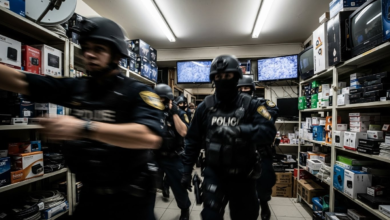
- Device seizures
- Civil lawsuits against resellers
Users also face risks such as:
- Malware-infected firmware
- IP address tracking
- Sudden service shutdowns
Broadcasters counter IKS using:
- Card pairing
- AES-based encryption
- Server takedowns
- International legal cooperation

📉 Why IKS Is Fading Away
Several trends are pushing IKS toward decline:
- Affordable legal streaming platforms
- Faster broadband access
- Improved satellite security
- Aggressive anti-piracy enforcement
Modern piracy has largely shifted to:
- IPTV apps
- Credential sharing
- Streaming websites
Satellite-based piracy is increasingly viewed as complex, fragile, and outdated.
🔮 The Future of IKS
IKS is unlikely to disappear overnight. It may persist in:
- Regions with poor internet for streaming
- Markets with expensive official TV packages
- Hobbyist satellite communities
However, its influence is shrinking. IKS is no longer the dominant piracy method—it is a transitional technology, caught between traditional broadcasting and modern streaming.
🧠 Final Thoughts
Internet Key Sharing is not magic and not encryption breaking. It is real-time redistribution of legitimate decryption keys, operating in legal shadows and technical gray zones.
Understanding IKS reveals:
- How piracy adapts to security
- Why satellite TV fought a long digital war
- How innovation can be both clever and costly
As media consumption shifts fully online, IKS will likely remain a notable but fading chapter in the history of television piracy.