In the age of high-definition streaming and wide-screen TVs, preserving the original video resolution has become a critical concern. Improper scaling or stretching of video can ruin the viewing experience, causing images to appear distorted, cropped, or stretched. Two techniques, pillarboxing and letterboxing, play a crucial role in maintaining the original aspect ratio of videos, ensuring that viewers enjoy content exactly as creators intended.
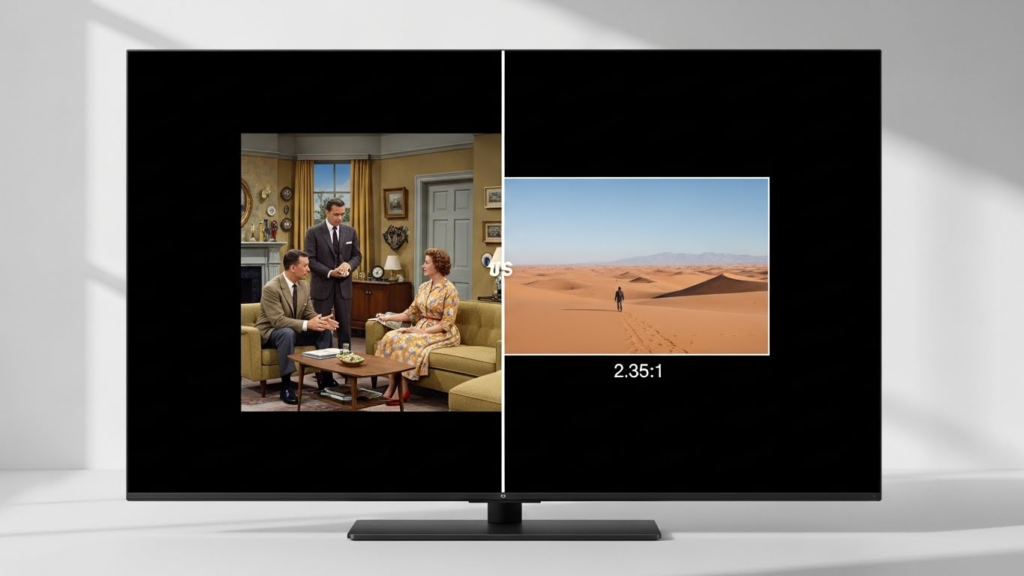
A side-by-side comparison of pillarboxed and letterboxed videos on modern TV screens.What is Aspect Ratio and Why It Matters
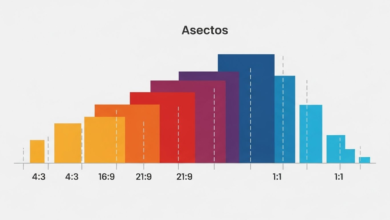
Every video has an aspect ratio, which is the proportional relationship between its width and height. Common ratios include 4:3 (standard definition) and 16:9 (widescreen). When a video’s aspect ratio doesn’t match the display screen, you can either stretch the image, crop it, or add borders. Stretching distorts the content, cropping may remove key visual information, and adding borders—via pillarboxing or letterboxing—preserves the original image.
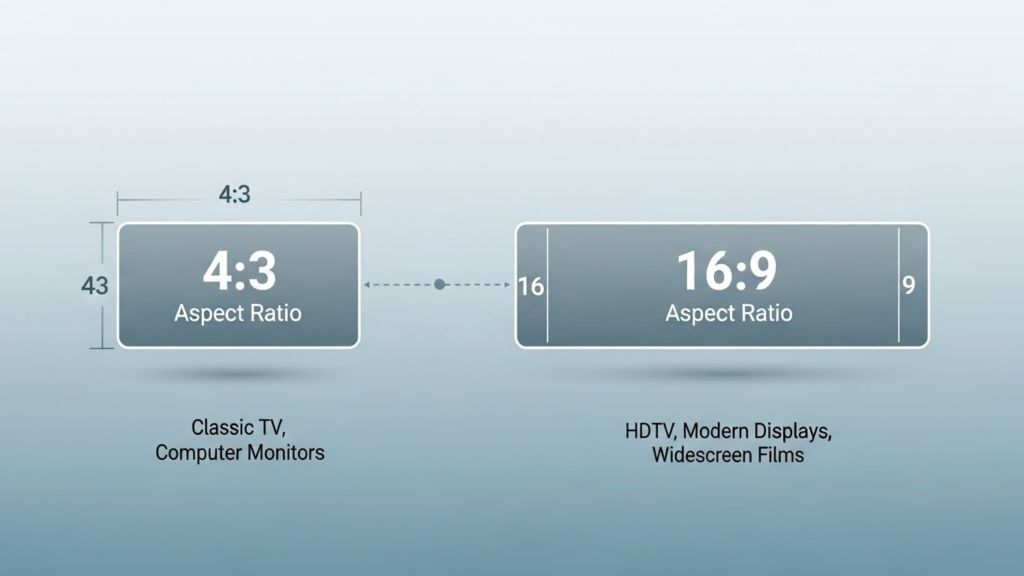
A graphic showing 4:3 vs 16:9 aspect ratios with labeled dimensions.Pillarboxing Explained
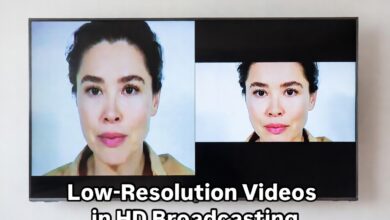
Pillarboxing occurs when vertical black bars are added to the sides of a video to maintain its original aspect ratio on a wider screen. For example, older 4:3 TV shows displayed on a modern 16:9 screen often use pillarboxing. This ensures that the content is shown without stretching or losing any visual elements.
Key Points About Pillarboxing:
- Preserves original video content without distortion.
- Common for displaying older TV shows and films on widescreen TVs.
- Maintains visual integrity, keeping characters, landscapes, and text proportionate.

A TV screen showing an old 4:3 TV show with vertical black bars on both sides.Letterboxing Explained
Letterboxing is the opposite: it adds horizontal black bars at the top and bottom of the video. This technique is typically used when widescreen films are displayed on narrower screens. Letterboxing ensures that the full width of the cinematic frame is visible, which is especially important for movies shot in ultra-wide formats like 2.35:1.
Key Points About Letterboxing:
- Preserves cinematic framing for widescreen films.
- Prevents cropping important visual information.
- Often seen in Blu-ray movies or streaming services that maintain original film ratios.
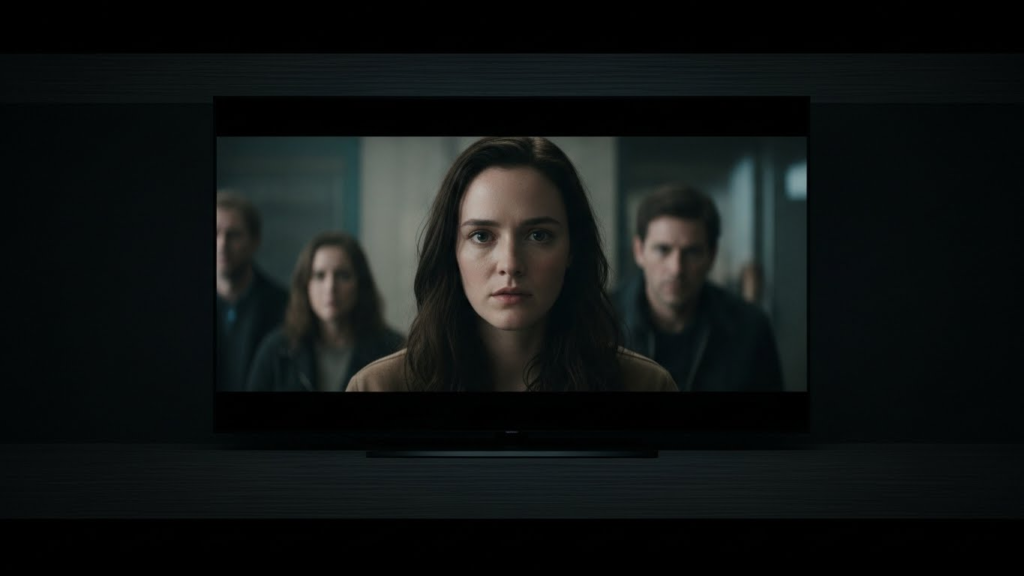
A widescreen movie on a 16:9 TV with horizontal black bars at top and bottom.When to Use Pillarboxing vs Letterboxing
Choosing between pillarboxing and letterboxing depends on both the video’s original aspect ratio and the display device:
- Pillarboxing: Use when narrow content (4:3) appears on wide displays (16:9 or 21:9).
- Letterboxing: Use when wide content (16:9, 2.35:1) appears on narrower displays (4:3).
Avoid stretching or cropping unless absolutely necessary, as these reduce image quality and distort the original content.
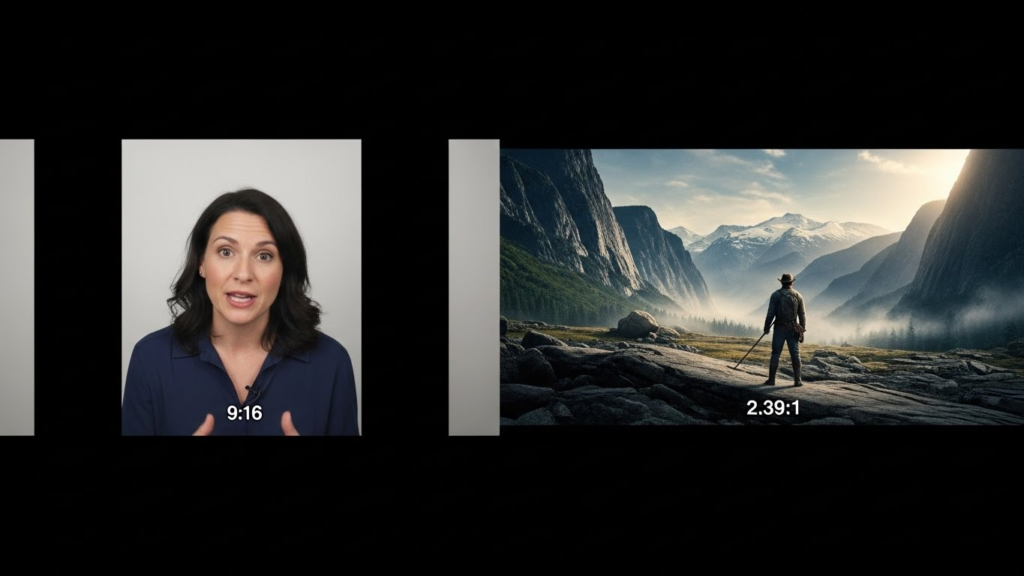
A side-by-side comparison showing pillarboxed content on the left and letterboxed content on the right.How Streaming Platforms Handle Aspect Ratios
Most modern streaming platforms, including Netflix, Amazon Prime, and Disney+, respect the original aspect ratio. They automatically apply letterboxing or pillarboxing depending on the screen size. This is particularly noticeable when older shows or films are played on modern TVs: viewers may see black bars but the image remains undistorted.
Technical Note: These platforms often encode multiple versions of a video to accommodate different screen resolutions and aspect ratios, dynamically choosing the best one for the device.
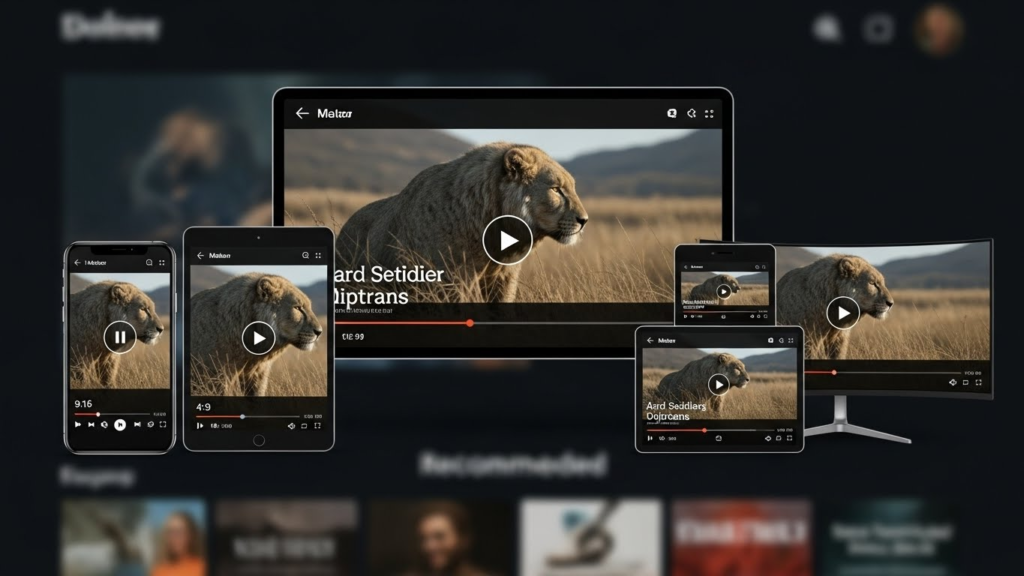
A streaming platform interface showing the same video in different aspect ratios on various devices.Common Misconceptions
Some viewers see black bars as a waste of screen space. However, these borders are essential to preserve the video’s integrity. Stretching or zooming content can lead to:
- Distorted faces and objects.
- Cropped subtitles or text.
- Loss of cinematic experience in films.
By understanding the purpose of pillarboxing and letterboxing, viewers can appreciate why black bars are sometimes necessary for proper playback.
Tips for Video Creators
Creators should always:
- Determine the target screen format before exporting videos.
- Use pillarboxing or letterboxing when required rather than stretching.
- Preview content on multiple devices to ensure consistency.
- Educate audiences about the benefits of borders to prevent misconceptions about “wasted space.”
This careful approach guarantees that viewers experience the video as intended, whether on mobile, TV, or theater screens.

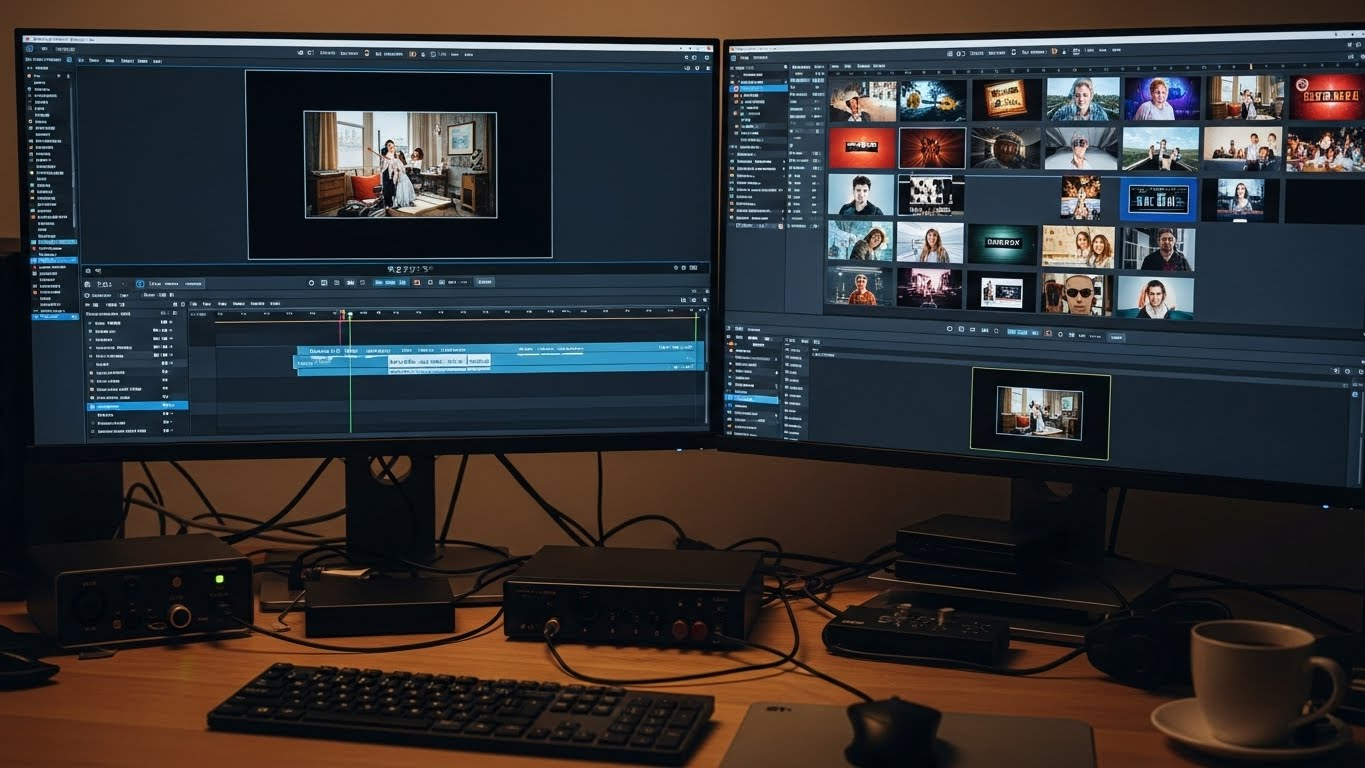
A video editor workspace showing a timeline with pillarboxed and letterboxed footage.Conclusion
Pillarboxing and letterboxing are more than just black bars; they are essential tools in maintaining video resolution and aspect ratio. Whether you are watching an old TV show or a widescreen movie, these techniques ensure that you see every frame exactly as the creators envisioned. In a world moving towards ultra-high-definition and widescreen formats, understanding these terms helps both creators and viewers appreciate the art and science of video presentation.