
The Next Frontier in VR
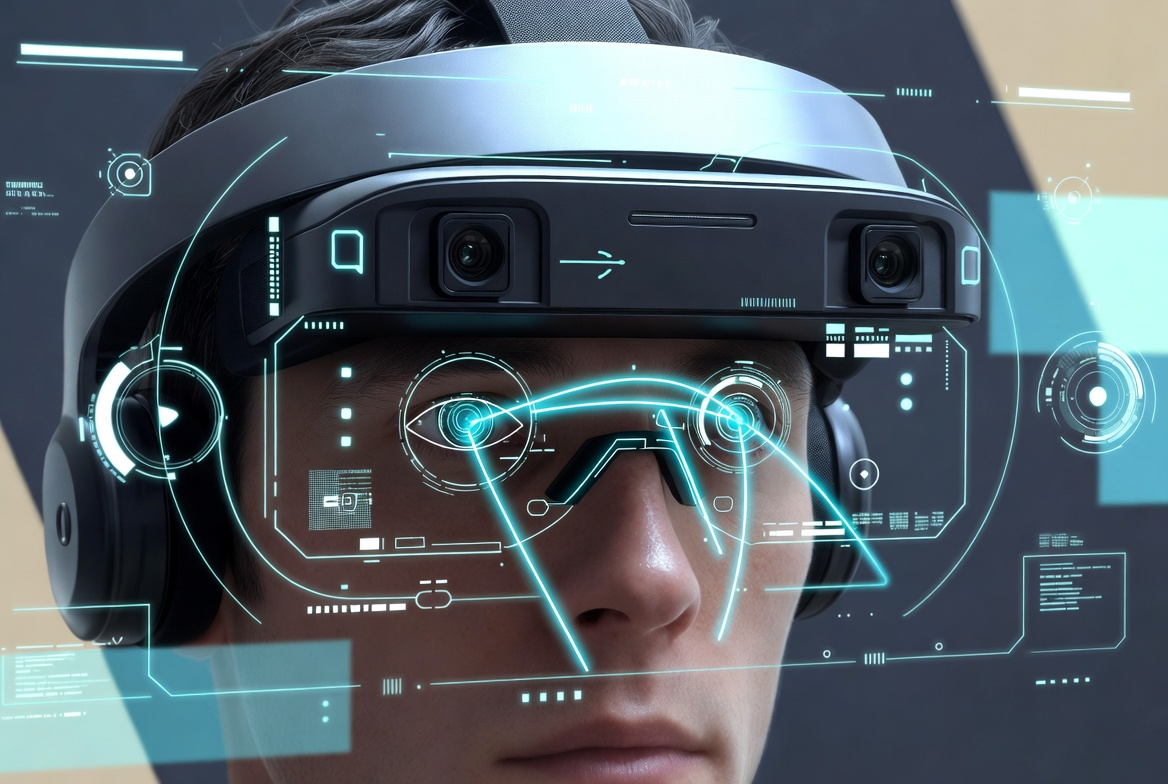
Virtual reality has come a long way in the last decade. Headsets are lighter, graphics more realistic, and controllers more precise. Yet, one piece of technology remains underutilized: eye-tracking.
Eye-tracking isn’t just a gimmick. It’s a game-changer that can make VR experiences more immersive, intuitive, and efficient. By understanding where users are looking, VR systems can optimize rendering, improve interactions, and even change how virtual worlds respond.
For anyone following VR development, the question is no longer if eye-tracking matters — it’s why it hasn’t become standard yet.
1. Foveated Rendering: Smarter, Faster Graphics
Eye-tracking allows foveated rendering, a technique that reduces the strain on hardware by rendering only the part of the scene the user is focusing on at full detail.
Benefits include:
- Higher frame rates without upgrading hardware
- Lower power consumption for mobile VR headsets
- Reduced motion sickness due to smoother visuals
Essentially, VR systems can “see through your eyes,” improving performance while keeping experiences realistic.
2. More Natural Interaction
VR controllers are precise, but your eyes are even more precise.
With eye-tracking, VR environments can respond to:
- Gaze-based selection
- Attention-driven UI elements
- Dynamic lighting based on where the user is looking
This reduces the need for clunky gestures and makes the virtual world feel truly alive.
3. Personalized VR Experiences
Eye-tracking also enables adaptive experiences:
- Difficulty levels adjusting based on focus
- Narrative pacing responding to user attention
- Highlighting objects or areas the user may have missed
Games, training simulations, and educational VR apps all benefit from experiences that adjust in real-time to the user’s gaze.
4. Analytics and Insight for Developers
Beyond immersion, eye-tracking provides actionable data. VR developers can analyze:
- Which elements draw attention
- How long users focus on objects
- Patterns that indicate confusion or engagement
This allows for better UX design and optimized content delivery.
5. Accessibility Improvements
Eye-tracking can also make VR more accessible:
- Hands-free control for users with mobility challenges
- Enhanced navigation for complex virtual spaces
- Adaptive interfaces for cognitive and attention-related needs
Inclusive VR experiences depend on technologies that understand user intent — and gaze is the most natural signal.
6. Future-Proofing VR Hardware
As VR pushes toward lighter, untethered headsets, hardware limitations will persist. Eye-tracking ensures:
- Maximum efficiency for battery-powered devices
- Higher-quality visuals without bulkier GPUs
- A smoother path toward mass adoption
In other words, eye-tracking is not a novelty — it’s a strategic necessity for sustainable VR growth.
Why This Topic Is Evergreen
Eye-tracking is a foundational VR technology. While software updates, apps, and games evolve, the core benefits of gaze-based interaction remain relevant.
- VR hardware will always need efficiency gains.
- Immersive experiences will always benefit from intuitive input.
- Data-driven design will always require accurate attention tracking.
That’s why this topic continues to attract interest from enthusiasts, developers, and investors alike.
Final Thoughts: Seeing VR Through the Eyes of the User
Virtual reality has always been about immersion. Headsets, controllers, and graphics all contribute — but eye-tracking finally closes the loop.
By understanding where the user looks, VR can become:
- Smarter
- Faster
- More intuitive
- More accessible
If VR is going to reach its full potential, eye-tracking isn’t optional — it’s the missing piece that will define the next generation of virtual reality experiences.