
malaria resurgence climate change
Understanding the link between malaria climate change is critical for modern public health and technology sectors. As global temperatures rise, the geographic range of Anopheles mosquitoes is expanding, pushing malaria into previously temperate regions. This tag covers the latest scientific data on how warming climates are redrawing disease maps, affecting both tropical and cold zones.We examine the biological mechanisms behind vector expansion, the role of extreme weather events in breeding cycles, and the technological solutions being deployed to monitor and mitigate these risks. From satellite-based surveillance to AI-driven outbreak prediction, the intersection of climate science and health tech is evolving rapidly.How warming trends shift malaria endemic zonesThe impact of extreme weather on mosquito breedingTech innovations in disease surveillance and preventionFuture projections for global malaria incidenceStay informed with TechRetry as we break down the complex data behind this emerging health crisis.
-
Science
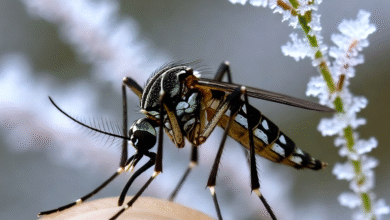
Mosquito Expansion Into Cold Regions: 2026 Risks | TechRetry
🌍 The Cold Barrier Is Breaking: Mosquitoes Are Moving NorthOnce restricted to tropical and subtropical zones, mosquitoes are now thriving…
Continue reading