
dengue risk Europe
The dengue risk Europe faces is becoming an increasingly critical topic as shifting climate patterns allow disease-carrying mosquitoes to expand their habitats into previously unaffected regions. As global temperatures rise, the environmental conditions in Southern and Central Europe are becoming more hospitable for invasive species like the Aedes albopictus, which are known vectors for the dengue virus. Understanding these environmental changes is essential for public health awareness and personal safety.Our coverage at TechRetry tracks the intersection of climate science and epidemiology to provide you with the most accurate information. We analyze how warming winters and longer, hotter summers are redrawing disease maps, potentially increasing the risk of local transmission in urban areas. Whether you are a resident or a traveler, staying informed about these ecological shifts is vital for proactive health management.The impact of climate change on mosquito migration patterns.Early warning signs and symptoms of dengue fever.Preventative measures to reduce mosquito breeding in your area.Current public health initiatives and surveillance efforts across Europe.By monitoring these trends, we aim to keep our readers ahead of the curve regarding emerging health threats. Stay updated with our expert analysis on how environmental factors are influencing the health landscape of the modern world.
-
Science
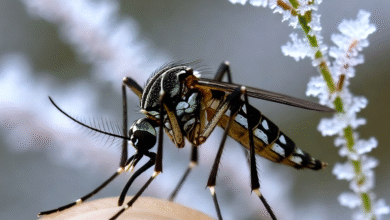
Mosquito Expansion Into Cold Regions: 2026 Risks | TechRetry
🌍 The Cold Barrier Is Breaking: Mosquitoes Are Moving NorthOnce restricted to tropical and subtropical zones, mosquitoes are now thriving…
Continue reading