
cold region mosquitoes
Cold region mosquitoes are becoming an increasingly significant concern as global temperature shifts alter the traditional habitats of these disease-carrying insects. Historically, extreme cold acted as a natural barrier, limiting the spread of mosquito-borne illnesses to warmer latitudes. However, recent environmental data indicates that these pests are successfully adapting to cooler climates, redrawing disease maps and posing new public health challenges in regions that were once considered safe.Our coverage on this topic explores the intersection of climate change, entomology, and public health. We analyze how rising temperatures facilitate the survival of larvae and adult mosquitoes in northern territories, leading to potential outbreaks of viruses that were previously unknown in these areas. Understanding these shifts is critical for researchers, policymakers, and residents living in affected zones.Key topics covered in our analysis include:The impact of warming winters on mosquito survival rates.How climate change facilitates the migration of disease vectors.Public health strategies for monitoring and controlling mosquito populations.Technological advancements in tracking insect movement across borders.Stay informed about the evolving landscape of vector-borne diseases and the scientific efforts to mitigate the risks posed by these resilient insects. TechRetry provides the latest insights into how our changing environment is reshaping the natural world.
-
Science
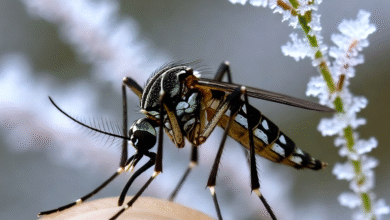
Mosquito Expansion Into Cold Regions: 2026 Risks | TechRetry
🌍 The Cold Barrier Is Breaking: Mosquitoes Are Moving NorthOnce restricted to tropical and subtropical zones, mosquitoes are now thriving…
Continue reading