
cinemascope
Cinemascope represents a revolutionary milestone in film history, fundamentally changing how audiences experience visual storytelling through wide-format aspect ratios. By utilizing anamorphic lenses to squeeze a wide image onto standard film stock, this technology paved the way for the immersive widescreen experiences we enjoy in modern home theaters today. Understanding the technical nuances of this format is essential for any cinephile or tech enthusiast looking to grasp the evolution of display standards.Our coverage of this topic dives deep into the mechanics of widescreen projection and the transition from traditional formats to the expansive views that define contemporary cinema. We explore how these historical standards influence current display technologies, including letterboxing and pillarboxing techniques used on modern digital screens.The history and development of anamorphic widescreen technology.How Cinemascope influenced modern television aspect ratios.Technical challenges of preserving original film composition.Comparing widescreen formats for optimal home theater setups.Whether you are a film historian or a display technology enthusiast, our resources provide the clarity needed to understand these complex visual standards. Stay updated with TechRetry as we continue to analyze the intersection of classic cinematic techniques and modern digital display innovations, ensuring you get the best possible viewing experience for every piece of content you watch.
-
Satellite TV, DTH & Online Streaming
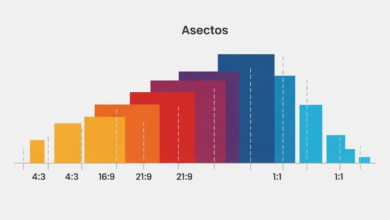
Letterboxing Video: Ultimate Guide to Cinema Aspect Ratios
Table of ContentsWhat Is Letterboxing Video?Why Black Bars Appear on Your ScreenWhat Is Pillarboxing?Common Cinema Aspect Ratios ExplainedWhy Filmmakers Choose…
Continue reading