
Aedes albopictus cold tolerance
Aedes albopictus cold tolerance is a critical area of study as climate change continues to alter global ecosystems and disease distribution patterns. Often referred to as the Asian tiger mosquito, this species has historically been confined to tropical and subtropical regions. However, recent scientific observations indicate that Aedes albopictus cold tolerance is shifting, allowing populations to survive and thrive in temperate zones that were once considered too cold for their survival.Understanding these physiological adaptations is essential for public health officials and entomologists working to mitigate the spread of vector-borne diseases. As these mosquitoes expand their range, they bring significant risks, including the potential transmission of viruses like Dengue, Chikungunya, and Zika into new territories. Our coverage explores the mechanisms behind this increased resilience, including:Genetic adaptations allowing for diapause in colder temperatures.The impact of urban heat islands on mosquito survival rates.Predictive modeling for future disease mapping in warming climates.Effective strategies for monitoring and controlling invasive mosquito populations.By tracking these changes, we provide the insights needed to understand how environmental shifts are redrawing the maps of global health risks. Stay informed on the latest developments regarding mosquito behavior and climate resilience right here at TechRetry.
-
Science
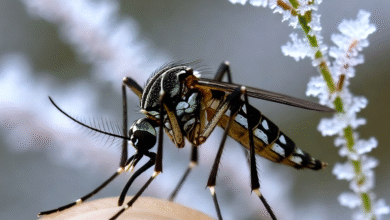
Mosquito Expansion Into Cold Regions: 2026 Risks | TechRetry
🌍 The Cold Barrier Is Breaking: Mosquitoes Are Moving NorthOnce restricted to tropical and subtropical zones, mosquitoes are now thriving…
Continue reading