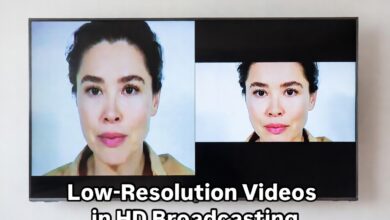
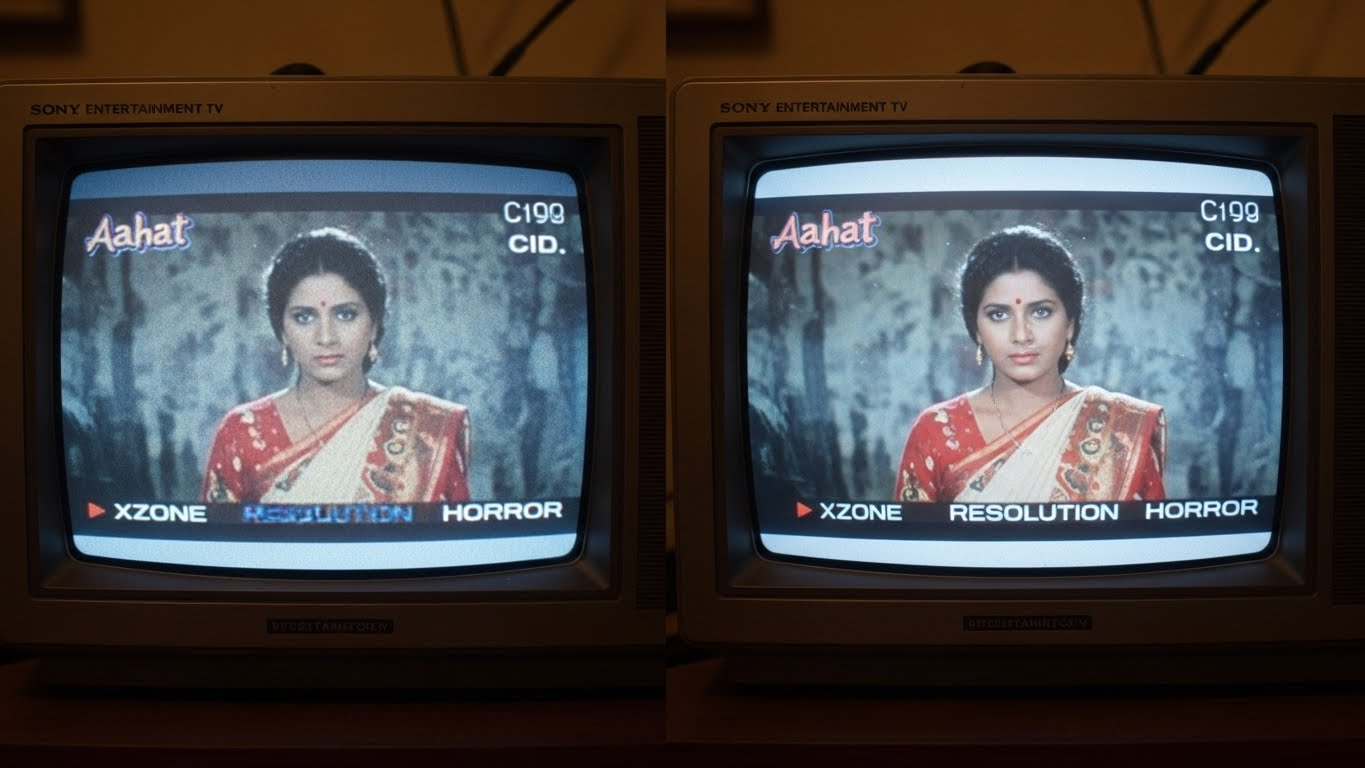
Video quality is one of the most critical aspects of modern broadcasting. While global networks strive to maintain high-quality streams, local and regional channels often face challenges that compromise their video output. This issue is particularly noticeable in South Asia, where popular channels like Geo News, Express, and Samaa broadcast content that sometimes suffers from resolution mismatches and improper scaling.

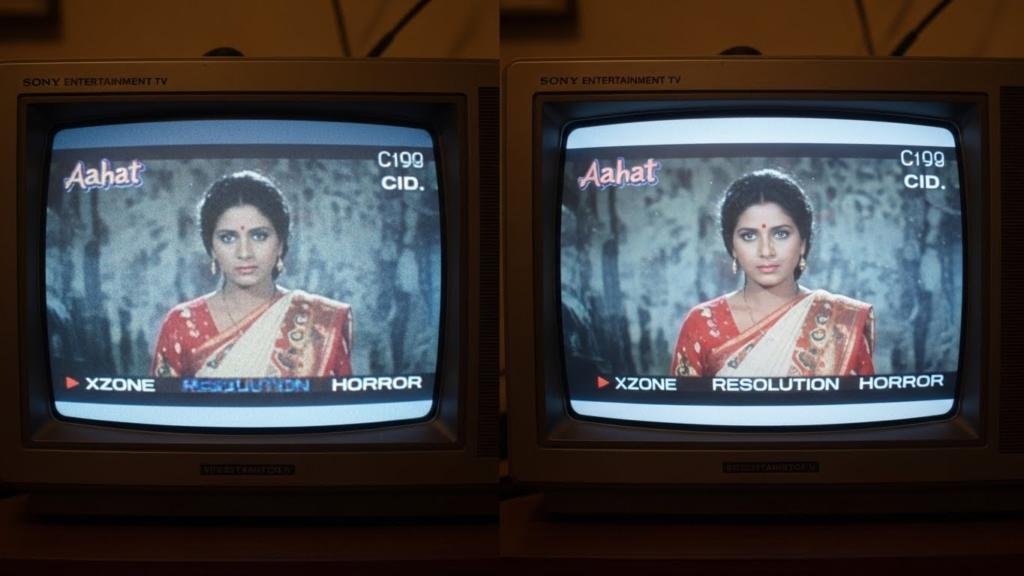
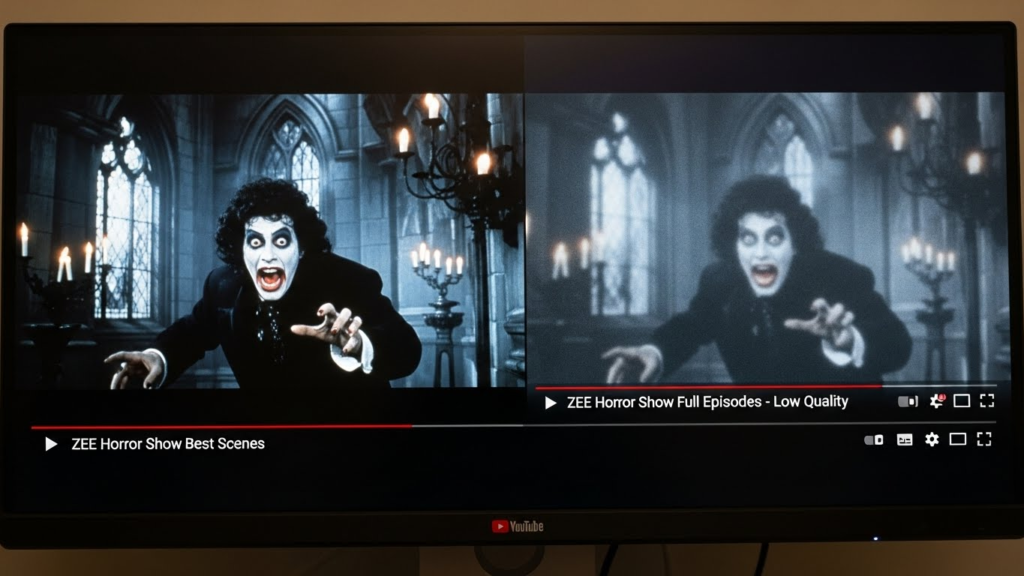
One of the main reasons for video quality loss is incorrect resolution scaling. Many local channels in Pakistan and India fail to pay adequate attention to resolution settings. Improper scaling can make a video appear blurry or pixelated, even if the original source was clear. In contrast, major networks like SONY and ZEE from India consistently ensure that even their 1990s content, when uploaded to platforms like YouTube, retains proper scaling. Videos that are properly scaled maintain clarity and reduce artifacts, providing a better viewing experience.
How Resolution Affects Bandwidth
A common misconception is that wrong resolution affects bandwidth usage. Technically, bandwidth consumption depends on the encoded resolution and bitrate, not the display resolution alone. If a video is scaled incorrectly but the encoded bitrate remains the same, the bandwidth usage is almost identical. However, improper scaling can make the same bitrate appear poorer in quality. This means that viewers experience degraded visual quality without any significant reduction in data usage, which defeats the purpose of efficient broadcasting.
Assessing Video Quality
Video quality assessment is both art and science. Traditional metrics include PSNR (Peak Signal-to-Noise Ratio) and SSIM (Structural Similarity Index), which compare the original video with the transmitted or stored version. These tools can detect degradation caused by compression, scaling, or transmission issues.
But what if the resolution is fake—that is, intentionally altered to mislead viewers? Modern forensic tools can detect such tampering. Video forensic analysis examines pixel structure, compression artifacts, and metadata to determine the original resolution and encoding. Tools like FFmpeg, Video Quality Experts Group (VQEG) software, and commercial forensic suites are commonly used in professional settings. These solutions help broadcasters, researchers, and regulators identify whether a video has been improperly scaled or altered.
Lessons from South Asian Channels
South Asian broadcasters provide a unique case study in video quality management. Channels like Geo News or Samaa often prioritize rapid broadcasting over meticulous quality control, which sometimes results in subpar visual clarity. On the other hand, SONY and ZEE have historically focused on proper archival, resolution setting, and scaling, which ensures that even older content remains watchable and visually appealing.
This contrast highlights a broader global lesson: quality cannot be compromised for speed or convenience. Even today, international platforms emphasize the importance of resolution consistency, proper encoding, and visual integrity. Channels that fail to maintain these standards risk viewer dissatisfaction and loss of credibility.
Conclusion
Video quality loss is a universal issue, but South Asian channels provide clear examples of both mismanagement and excellence. The key takeaways include:
- Proper resolution scaling is essential for preserving video integrity.
- Wrong scaling does not save bandwidth but can degrade perceived quality.
- Video quality can be scientifically measured using PSNR, SSIM, and forensic tools.
- Historical lessons from SONY and ZEE demonstrate that careful attention to archival quality and scaling ensures longevity and viewer satisfaction.
As broadcasters around the world continue to migrate to digital platforms and streaming services, maintaining high-quality video standards is no longer optional—it is imperative for credibility, viewer retention, and global competitiveness.